

Introduction — Why Winter Travel Safety Matters
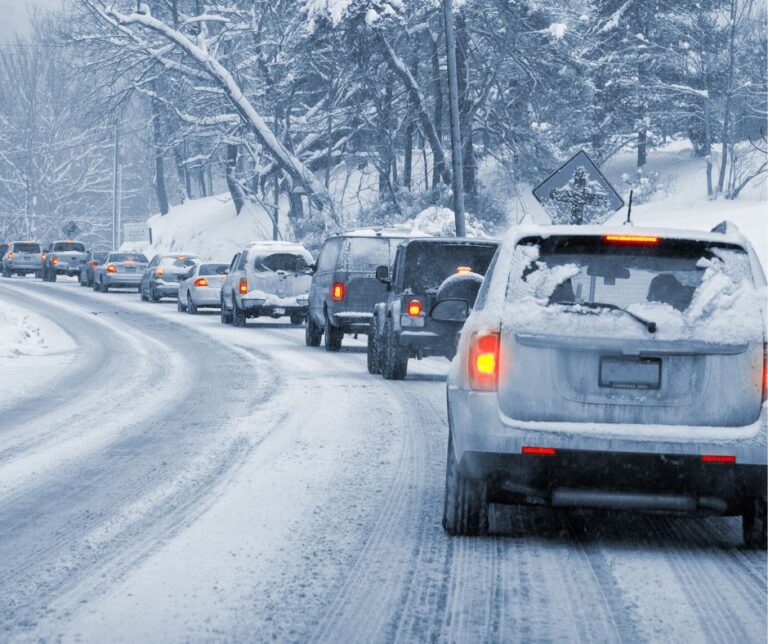
Winter travel can turn calm roads into dangerous ice fields in a flash. Just look at what’s been happening lately: a powerful winter storm that formed in late January 2026 stretched from Texas through the South and all the way to New England, dropping heavy snow and ice across major cities and rural roads alike. (Wikipedia’s January 2026 North American Winter Storm article)
Hundreds of thousands of homes and businesses lost power in states like Tennessee (over 143,000 affected), Mississippi (more than 121,000), and Louisiana (around 76,000) as freezing rain and sleet knocked down power lines and made roadways slick. (AJOT report on U.S. winter storm outages) In cities like Nashville, crews worked around the clock to restore electricity after conditions made driving treacherous. (Axios coverage of Nashville ice storm recovery)
Travel chaos wasn’t limited to the South either — major airports in Philadelphia, Washington, D.C., New York, and other hubs saw thousands of flights canceled or delayed as snow and ice piled up on runways and highways. (Global News coverage of U.S. winter storm impact)
That’s why winter travel safety isn’t just about “being careful” — it’s about being prepared, especially if you’re heading out on highways or long drives during snowy or icy conditions. Staying safe on the road isn’t luck — it’s planning ahead, equipping your vehicle, and knowing what to do when conditions turn rough.
In this article, we’ll break down how to prepare your vehicle, plan your trip, pack the right emergency gear, and stay safe — without panic, without confusion, just real‑world advice you can follow today.
1. Check Your Vehicle Before You Go
Before hitting snowy or icy roads, make sure your car is ready for winter travel. A little prep now can prevent major headaches later.
Here’s what to do:
Inspect Your Tires and Brakes
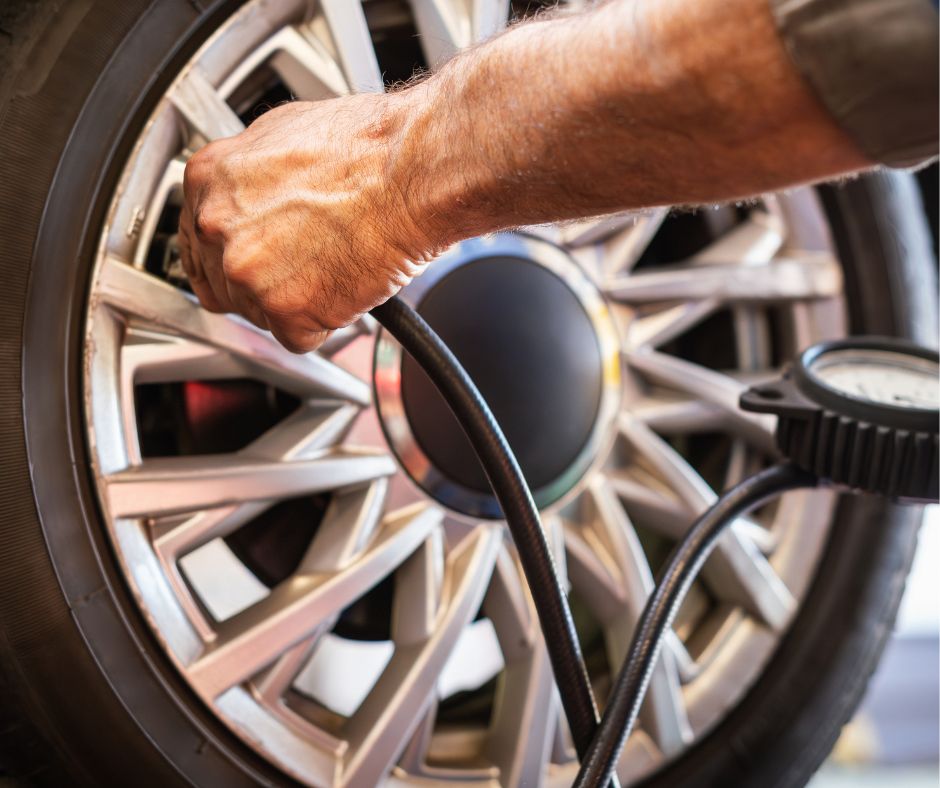
- Make sure tires have good tread; consider winter tires if you drive in snowy areas like Chicago, Boston, or Minneapolis.
- Check brake pads and fluid levels — stopping safely is your top priority.
- Learn more from AAA Winter Driving Tips.
Check Fluids and Battery
- Fill your windshield washer fluid with winter-safe solution.
- Ensure engine oil is rated for colder temperatures.
- Test your battery — extreme cold can reduce power.
- For guidance, see FEMA Winter Weather Vehicle Safety.
Test Lights and Wipers
- Replace worn wiper blades.
- Check all headlights, brake lights, and turn signals — visibility saves lives.
- Reference tips from National Weather Service Winter Travel Safety.
Fill Up Your Gas Tank
- Keep at least a half tank — running out of fuel in freezing temperatures can be dangerous.
- If traveling long distances through places like Denver, Salt Lake City, or New York State, this is crucial.
3. Pack an Emergency Travel Kit
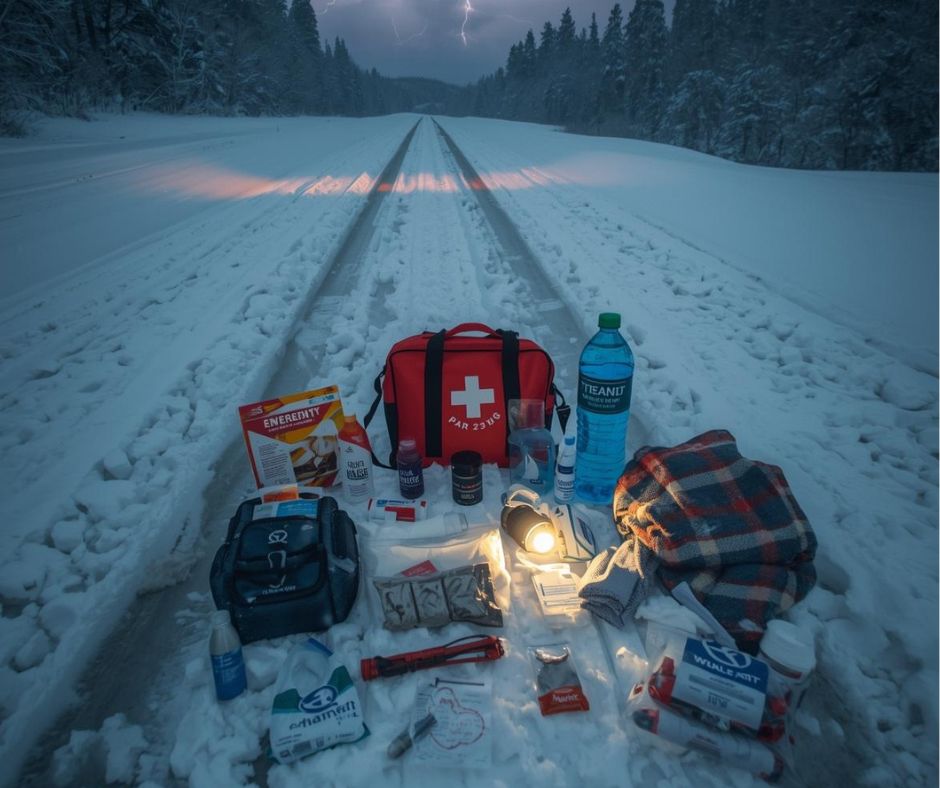
Even a short winter drive can turn into a long wait if the roads get icy or your car breaks down. Packing a well-thought-out emergency kit is a must, especially if you’re traveling in places like Buffalo, Minneapolis, or Denver, where snowstorms are common.
Essentials to include:
Water and Non-Perishable Snacks
- Keep at least 1 gallon of water per person for 3 days.
- Pack granola bars, nuts, and ready-to-eat meals — perfect for roadside emergencies.
- Learn more from FEMA Winter Emergency Kit Checklist.
Warm Clothing and Blankets
- Gloves, hats, scarves, and extra jackets.
- Keep thermal blankets or sleeping bags in the trunk — they can save lives during long waits in freezing weather.
Flashlight and Extra Batteries
- Always have a reliable flashlight and spare batteries.
- Consider a crank-powered or solar flashlight for extended trips.
First Aid Kit
- Bandages, antiseptic wipes, pain relievers, and any personal medications.
- Even a small kit can cover most minor injuries on the road.
- Check American Red Cross First Aid Guide for what to include.
Portable Phone Charger / Power Bank
- Phones are your lifeline for calling help or checking conditions.
- A fully charged backup power bank is essential if your car battery dies.
Tools and Safety Gear
- Ice scraper, small snow shovel, traction mats, and jumper cables.
- Gloves, masks, and a multi-tool are extra handy.
Quick Tip:
Even if you’re just driving a few hours, pack your kit. Roads can become dangerous fast, and having the right supplies can mean the difference between a minor delay and a serious emergency.
4. Plan Your Route & Check Conditions
Before you hit the road, a little planning goes a long way — especially during winter. Knowing your route and current conditions can save you from ice-covered roads, closed highways, or long detours.
Check Road and Weather Conditions
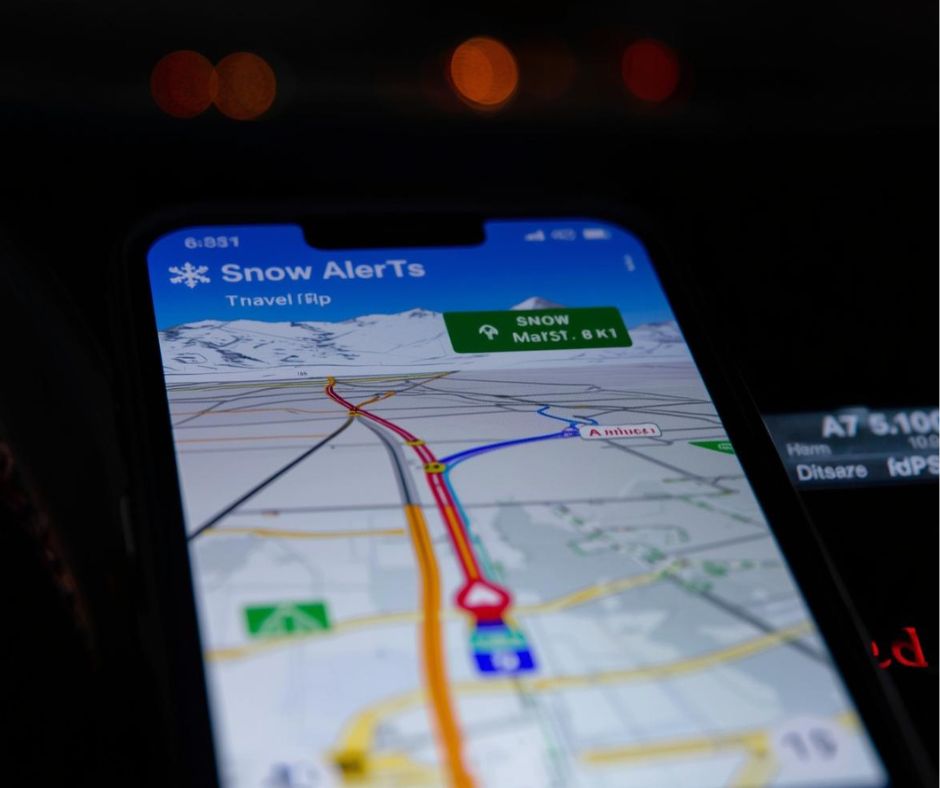
- Use GPS apps or official sources to check for road closures, accidents, or delays.
- During recent storms, cities like Philadelphia, Boston, and Minneapolis saw major highways blocked for hours due to snow and ice.
- Stay updated with the National Weather Service Road Conditions for your region.
Plan for Alternate Routes
- Even if your main route looks clear, winter conditions can change quickly.
- Have backup routes in mind and avoid shortcuts that could be unsafe on icy roads.
Inform Someone of Your Travel Plan
- Let family or friends know your expected route and arrival time.
- If traveling long distances, especially through areas like Denver, Buffalo, or Salt Lake City, this precaution is crucial.
Timing Matters
- Avoid traveling during heavy snowfall or peak storm hours.
- Early morning or late-night trips increase risk due to frozen roads and low visibility.
Quick Tip:
Checking your route and conditions before you leave is one of the easiest ways to avoid emergencies on the road. Combine this with your emergency kit and car prep, and you’ll dramatically increase your safety during winter travel.
5. Drive Smart & Stay Alert
Even with a prepared car, emergency kit, and planned route, how you drive is the most critical factor in staying safe during winter travel. A calm, alert driver can prevent accidents and respond quickly to unexpected hazards.
Slow Down and Increase Following Distance
- Icy roads reduce traction — slow down and keep at least double the normal distance between you and the vehicle ahead.
- In cities like Chicago, Minneapolis, and Boston, even main roads can become slick within minutes of snowfall.
- Learn more from AAA Winter Driving Tips.
Avoid Sudden Movements
- Sudden braking, accelerating, or sharp turns can cause skids.
- If your vehicle starts sliding, steer gently in the direction of the skid and avoid slamming brakes.
Know How to Handle Skids
- Front-wheel skid: ease off accelerator, steer gently toward your desired direction.
- Rear-wheel skid: steer in the same direction as the back of the car is sliding.
- Check National Safety Council Winter Driving Guide for detailed techniques.
Use Headlights Wisely
- Turn on headlights in snow, fog, or low visibility conditions.
- Helps other drivers see you and improves your reaction time.
Limit Distractions
- Keep your phone away unless using hands-free navigation.
- Avoid eating, adjusting the radio, or anything that takes your focus from driving.
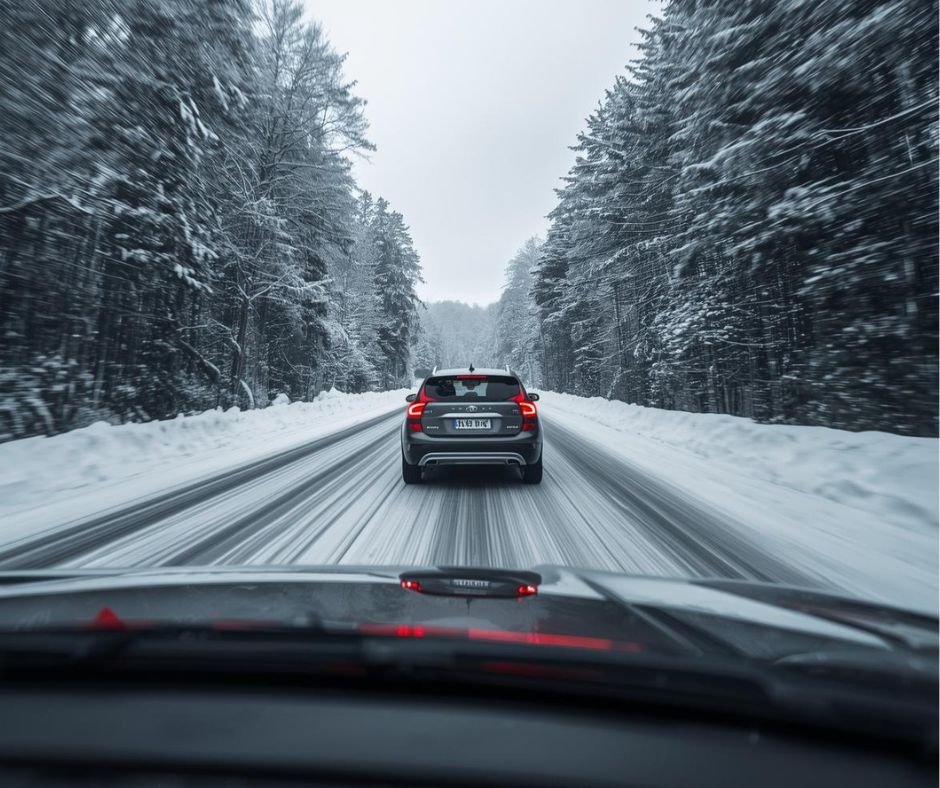
Quick Tip:
Even a perfectly prepared car can’t protect you if you drive recklessly. Calm, patient, and alert driving is the single biggest factor in avoiding winter road emergencies.
6. What to Do If You Get Stuck or Break Down
Even the best-prepared drivers and cars can face trouble during winter travel. Knowing what to do if you get stuck or your car breaks down can make a huge difference, especially in cold cities like Buffalo, Minneapolis, or Denver.
Stay Calm and Stay in Your Vehicle
- If it’s unsafe outside, remain in your car.
- Signal for help with hazard lights.
- Avoid walking along icy or busy roads — it’s dangerous.
- For guidance, see FEMA Winter Safety Tips.
Use Heat Wisely
- Run the engine sparingly to preserve fuel and prevent carbon monoxide buildup.
- Keep the exhaust pipe clear of snow to avoid dangerous fumes.
- Wear blankets or extra clothing to stay warm.
Call for Help
- Use your phone to contact roadside assistance, friends, or family.
- If you have AAA or other roadside membership, now is the time to use it.
- Learn more from AAA Roadside Assistance Winter Guide.
Signal for Attention
- Raise the hood or tie a brightly colored cloth to the antenna if help might not see you.
- Flash your lights if another vehicle approaches.
Stay Hydrated and Alert
- Drink water and eat small snacks if you have them — staying nourished keeps you alert.
- Avoid alcohol, which lowers body temperature and can impair judgment.
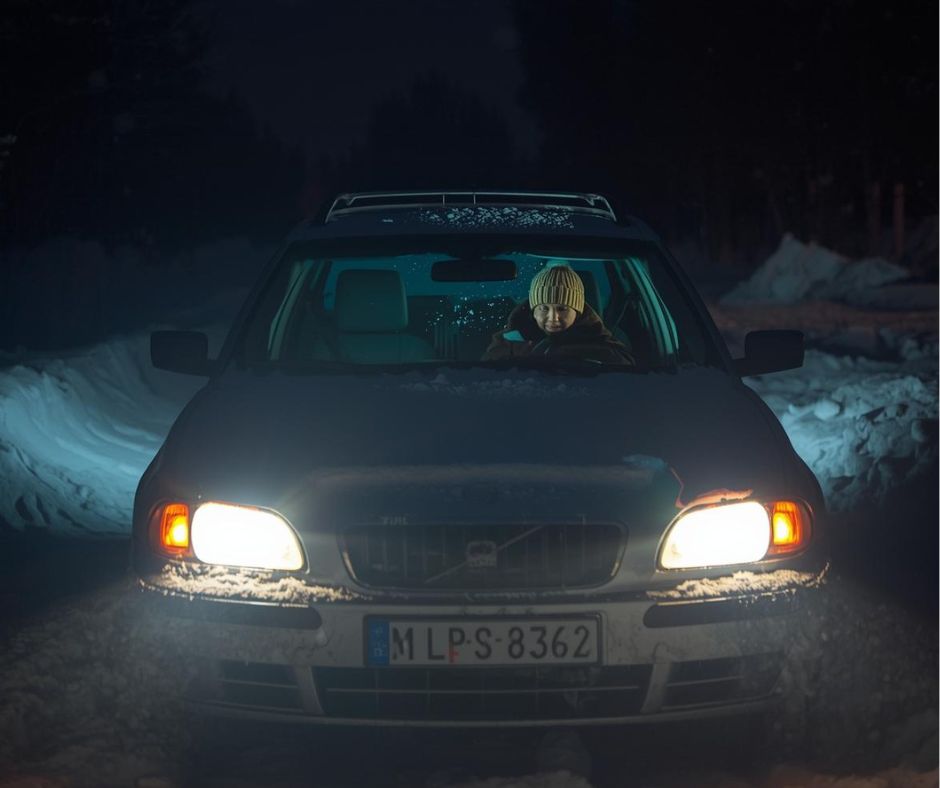
Quick Tip:
Being prepared mentally and having a plan for roadside emergencies is just as important as packing an emergency kit. Following these steps keeps you safe until help arrives.
Conclusion — Stay Safe & Travel Confidently This Winter
Winter travel doesn’t have to be stressful or dangerous. With a well-prepared car, an emergency kit, and a solid plan, you can enjoy the journey even when roads are icy and snow is falling.
Remember the key steps we covered:
- Check Your Vehicle — tires, brakes, fluids, lights, and battery. (AAA Winter Driving Tips)
- Pack an Emergency Kit — water, snacks, blankets, first aid, and tools. (FEMA Winter Emergency Kit Checklist)
- Plan Your Route & Monitor Conditions — stay updated on road closures and weather. (National Weather Service Winter Travel Safety)
- Drive Smart & Stay Alert — reduce speed, avoid sudden movements, and stay focused. (NSC Winter Driving Guide)
- Know What to Do If You Get Stuck — stay inside, use heat safely, call for help. (AAA Roadside Assistance Winter Guide)
Take Action Today!
The best way to make winter travel safe is to prepare ahead. Want to see how ready you really are for winter emergencies? Take our 2-minute Emergency Preparedness Quiz — it’s quick, friendly, and will give you personalized tips on what to improve before hitting the roads.
By combining planning, preparation, and cautious driving, you’ll increase safety for yourself, your passengers, and everyone on the road. ❄️🚗
Stay safe, stay prepared, and enjoy your winter travels with confidence!


0 Comments