

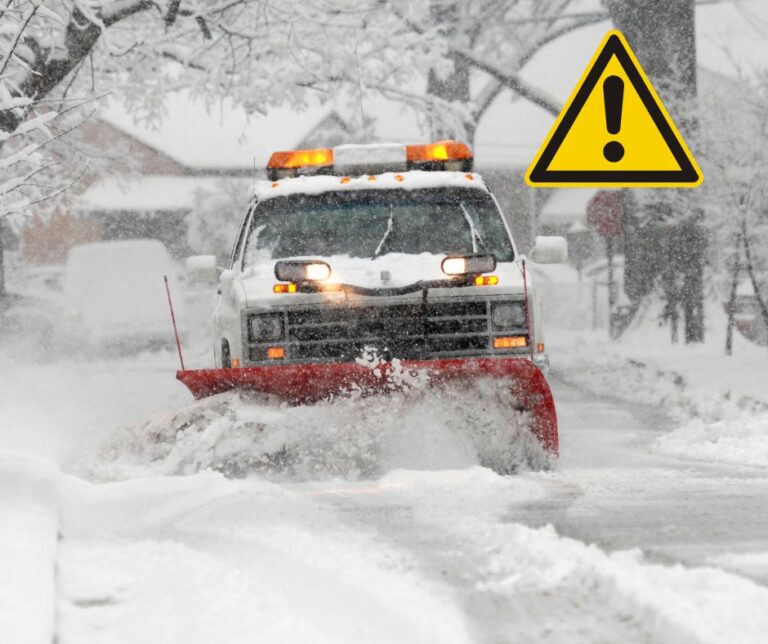
1. Introduction: A Storm That Shook the Nation
In late January 2026, a powerful winter system swept across the United States, turning ordinary winter weather into a nationwide emergency. The storm — often referred to by forecasters and media as Winter Storm Fern — brought heavy snow, widespread ice, and dangerously cold Arctic air from the southern Plains to the Northeast. According to The Weather Channel, millions of Americans were placed under winter storm warnings as the system intensified and expanded across multiple regions.
Major population centers felt the impact almost immediately. Reuters reported that the storm disrupted travel across the country, forcing thousands of flight cancellations and making road conditions hazardous in states from Texas to New York. Cities such as New York City, Boston, Philadelphia, and Washington, D.C. experienced heavy snowfall and ice accumulation that shut down schools, slowed emergency services, and strained local infrastructure.
Beyond snow and ice, the storm triggered widespread power failures. As highlighted in ABC News coverage of the event, hundreds of thousands of homes and businesses lost electricity during periods of extreme cold — a dangerous combination that left many families vulnerable to hypothermia and other cold-related risks. Authorities also linked the storm to multiple fatalities, underscoring that severe winter weather can quickly become life-threatening.
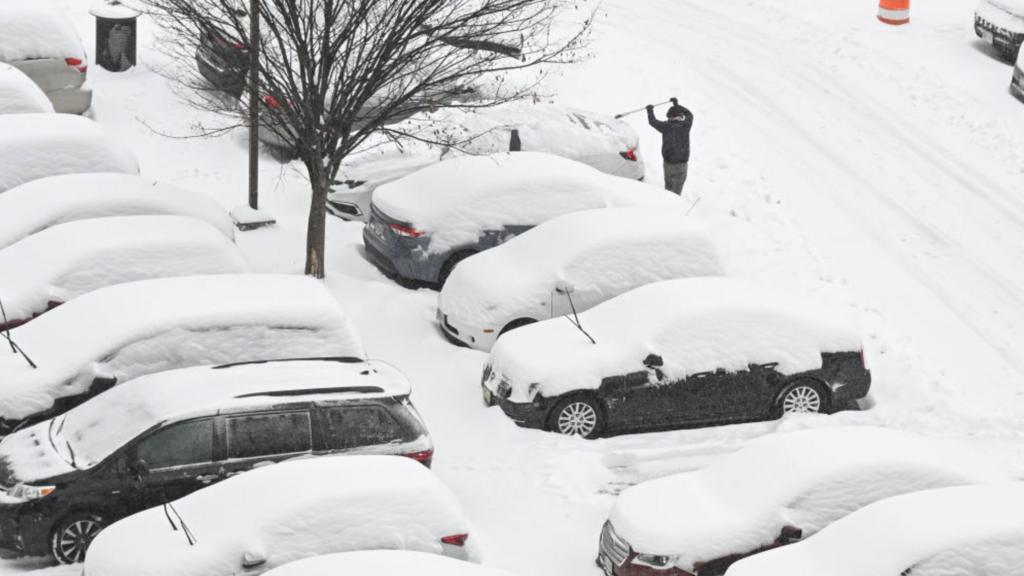
This recent storm is a stark reminder that winter storms are not just seasonal inconveniences. They are full-scale emergencies capable of endangering lives, damaging homes, and overwhelming communities. Understanding these risks — and knowing how to prepare, respond, and recover — is essential for protecting your family, your property, and those around you when the next storm strikes.
2. Understanding the Real Dangers of Severe Winter Storms
Severe winter storms are far more dangerous than many people realize. Beyond snow-covered streets and cancelled plans, these events create multiple overlapping threats that can escalate quickly — especially in densely populated or poorly prepared areas.
2.1 Life-Threatening Risks to People
One of the most immediate dangers during a winter storm is exposure to extreme cold. Prolonged low temperatures increase the risk of hypothermia and frostbite, particularly among children, the elderly, and those without reliable heating. During the recent storm, ABC News reported that many storm-related deaths were linked to cold exposure and weather-related accidents rather than snowfall alone.
Icy conditions also turn everyday movement into a serious hazard. Slips and falls on untreated sidewalks, as well as traffic accidents on snow- and ice-covered roads, account for thousands of injuries during major winter storms. According to the National Weather Service, most winter storm fatalities occur outside, often when people underestimate road conditions or attempt unnecessary travel.
Another hidden danger is carbon monoxide poisoning. As power outages spread, some households turn to generators, grills, or alternative heating sources indoors — a deadly mistake. The Centers for Disease Control and Prevention (CDC) repeatedly warns that improper use of fuel-burning devices during winter storms leads to preventable deaths every year.
2.2 Serious Threats to Homes and Property
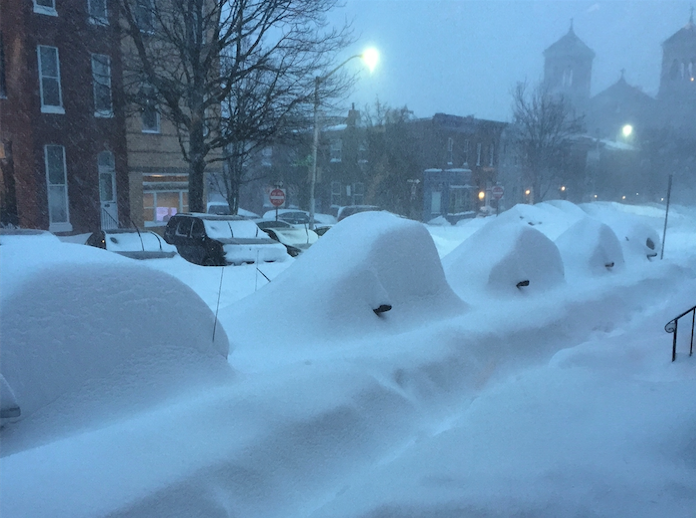
Winter storms don’t just threaten lives — they can cause extensive property damage. Heavy snow accumulation places enormous stress on roofs, particularly flat or older structures. During recent storms in the Northeast, local authorities warned of roof collapses as snow totals exceeded safe load limits, a concern echoed in coverage by The Weather Channel.
Freezing temperatures also pose a major risk to plumbing systems. When pipes freeze and burst, the resulting water damage can flood homes and destroy walls, flooring, and personal belongings. Insurance companies consistently list frozen pipes as one of the most costly winter storm claims.
Power outages add another layer of risk. As reported by Reuters, hundreds of thousands of customers across the southern and eastern United States lost electricity during the storm, leaving homes without heat in sub-freezing conditions. Extended outages can also damage appliances, spoil food, and disable security systems.
2.3 Disruption to Travel, Services, and Daily Life
Winter storms routinely cripple transportation networks. Snow, ice, and low visibility force highway closures and massive flight cancellations, stranding travelers and disrupting supply chains. During the recent storm, Reuters documented tens of thousands of delayed or canceled flights at major hubs including New York, Boston, and Dallas-Fort Worth.
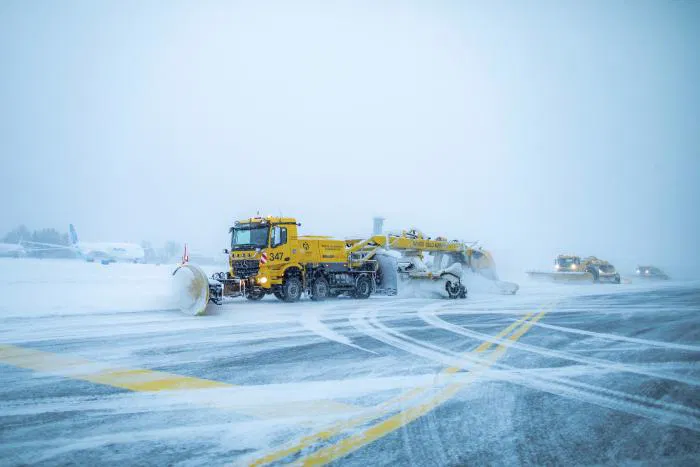
Essential services are also affected. Emergency response times can increase when roads are impassable, while school closures and business shutdowns place added strain on families and local economies. In some communities, access to food, medication, and medical care becomes limited for days.
These combined dangers make it clear: severe winter storms are complex emergencies, not isolated weather events. Understanding these risks is the first step toward staying safe — the next step is knowing how to prepare before the storm arrives.
3. Cities Hit Hard: Real Examples and Key Statistics from the Storm
The true scale of a winter storm becomes clear when looking at how individual cities and regions were affected. During the late-January 2026 storm, impacts varied by location — but the disruption was widespread, severe, and, in many cases, historic.
3.1 Northeast: Heavy Snow and Urban Shutdowns
In the Northeast, densely populated cities faced intense snowfall combined with freezing temperatures, pushing infrastructure to its limits.
In New York City, snowfall totals exceeded one foot in parts of the metro area, snarling traffic and forcing school closures across multiple districts. Coverage by ABC News showed transit delays and emergency advisories urging residents to stay off the roads unless absolutely necessary.
Further north, Boston, Massachusetts recorded some of the highest snowfall totals of the storm, with more than 16 inches reported at Logan International Airport. According to The Weather Channel, the weight of accumulated snow raised concerns about roof safety and led to widespread business closures across the region.
Cities like Philadelphia and Washington, D.C. experienced a mix of snow and ice, a particularly dangerous combination that increased the risk of vehicle accidents and pedestrian injuries.
3.2 Midwest and Interior States: Snow, Ice, and Dangerous Cold
In parts of the Midwest, the storm delivered double-digit snowfall totals alongside bitter cold. Areas in Pennsylvania, Ohio, and Indiana reported between 10 and 20 inches of snow, with rural communities facing delayed emergency response due to impassable roads.
According to Reuters, the storm was followed by an Arctic air mass that sent wind chills well below zero, increasing the risk of frostbite in minutes for anyone exposed outdoors.
This combination of snow and extreme cold made recovery slower, as snow removal crews and utility workers struggled to operate safely.
3.3 Southern States: Ice, Power Failures, and Rare Snow
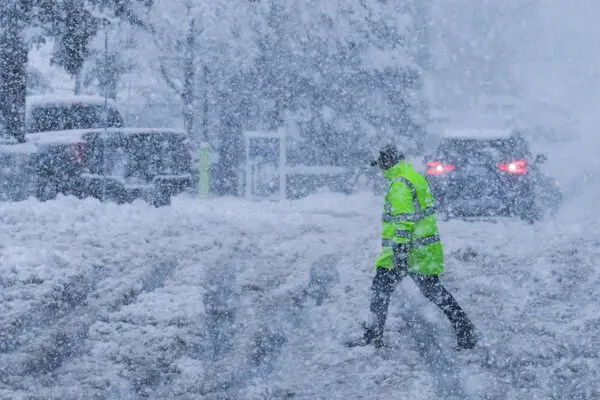
While northern states are more accustomed to snow, parts of the South were among the hardest hit due to ice accumulation and limited winter infrastructure.
States such as Tennessee, Mississippi, Louisiana, and Arkansas saw widespread freezing rain and sleet, which coated roads, trees, and power lines with ice. As reported by Reuters, these conditions led to hundreds of thousands of power outages, leaving families without heat during freezing nights.
Cities like Little Rock, Arkansas, and Memphis, Tennessee, experienced conditions that local officials described as extremely dangerous, with authorities urging residents to stay indoors due to black ice and falling tree limbs.
3.4 Nationwide Impact at a Glance
Across the United States, the storm’s footprint was enormous:
- Hundreds of thousands to over one million customers without power at peak outage levels
- Tens of thousands of flights canceled or delayed, disrupting travel nationwide, as detailed by Reuters
- Multiple storm-related deaths reported across several states
- Millions placed under winter storm warnings or advisories
These real-world examples show that no region is immune. Whether it’s heavy snow in the Northeast or crippling ice in the South, winter storms can overwhelm communities quickly — especially when preparation is lacking.
4. How to Prepare Before a Winter Storm Hits
Preparation is the most effective way to protect your family, home, and property during a winter storm. The recent January 2026 storm demonstrated how quickly conditions can become dangerous — from icy roads and power outages to frozen pipes and stranded travelers. Taking action before a storm arrives can mean the difference between safety and a life-threatening emergency.
4.1 Personal & Family Preparation
The first step is making sure everyone in your household knows the plan. According to the National Weather Service, families should:
- Monitor weather alerts: Sign up for NWS or local emergency alerts to stay ahead of incoming storms.
- Create a family emergency plan: Identify a safe room, establish communication protocols, and decide on emergency contacts.
- Prepare an emergency kit: Include essentials like bottled water, non-perishable food, medications, flashlights, batteries, blankets, and warm clothing. The Federal Emergency Management Agency (FEMA) recommends having supplies for at least 72 hours.
- Check on vulnerable family members: Ensure children, the elderly, or anyone with special medical needs are accounted for and have access to heat and supplies.
4.2 Home & Property Protection
Homes can sustain severe damage during winter storms if preventative steps are skipped. Key measures include:
- Insulate pipes and seal windows/doors: Frozen pipes can burst, causing costly water damage, so insulation and drips from faucets are crucial. (CDC guidelines)
- Maintain heating systems: Have furnaces serviced and backup heat sources ready (like portable heaters) — but only use them safely and according to manufacturer instructions.
- Trim trees and remove hazards: Ice-laden branches can fall and damage roofs, cars, or power lines.
- Stock up on supplies for pets: Food, water, and shelter for animals should be included in your storm plan.
4.3 Vehicle and Travel Preparation
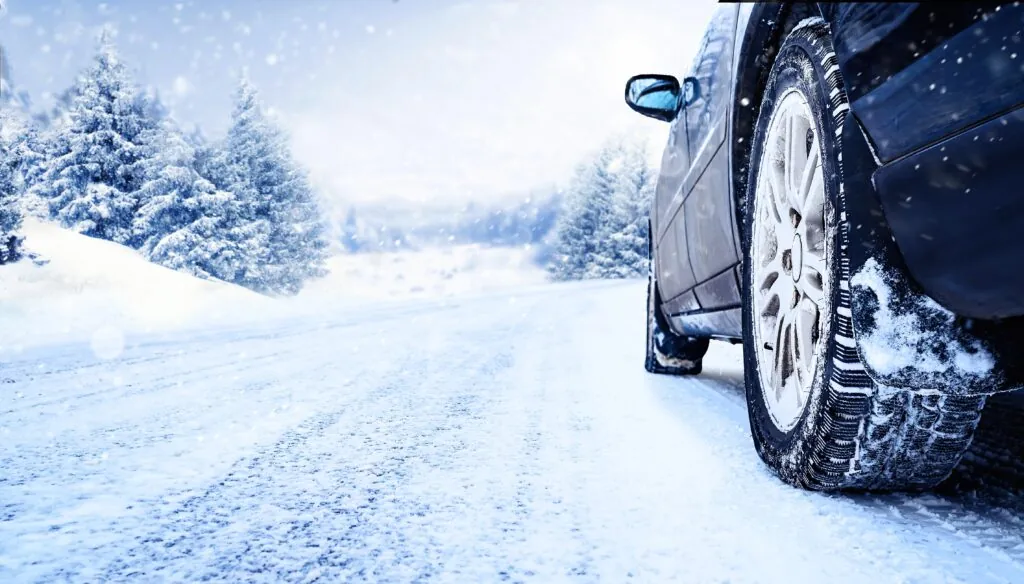
Winter storms often create life-threatening travel conditions, especially for drivers caught on icy roads. The AAA Winter Driving Guide recommends:
- Keeping your gas tank at least half full to prevent fuel line freeze and ensure mobility in emergencies.
- Storing an emergency car kit, including blankets, gloves, flashlight, jumper cables, snow shovel, sand or cat litter for traction, and extra food/water.
- Using snow tires or chains in areas where heavy snow or ice is likely.
- Avoiding travel unless absolutely necessary during warnings or advisories.
4.4 Mental and Community Readiness
Winter storms are stressful events. Preparing mentally can improve decision-making under pressure:
- Stay informed and review evacuation or shelter locations in advance.
- Keep communication devices charged and have backup power options.
- Coordinate with neighbors or community groups to share resources and check on those who may be isolated.
5. What to Do During a Winter Storm
Once a winter storm hits, the risks escalate quickly. Heavy snow, ice, and freezing temperatures can make travel hazardous, power outages dangerous, and emergency response slower. Knowing how to act safely during the storm is just as important as preparation beforehand.
5.1 Staying Safe Indoors

The safest place during a winter storm is inside your home or shelter. According to the National Weather Service:
- Stay inside and avoid unnecessary travel. Roads may be icy, visibility low, and emergency crews limited.
- Use heating sources safely. Generators, grills, or kerosene heaters should always be operated outdoors only to prevent carbon monoxide poisoning. Learn more from the CDC guidelines on CO safety.
- Keep a single room warm if power is limited. Closing doors and using blankets or sleeping bags can help retain heat.
- Conserve phone and device battery for emergency calls and alerts.
5.2 Managing Power Outages
Power failures are common during heavy snow or ice storms. ABC News coverage of Winter Storm Fern highlighted hundreds of thousands of homes left without electricity. To stay safe:
- Use flashlights instead of candles to reduce fire risk.
- Keep refrigerator and freezer doors closed to preserve food.
- Check on neighbors, especially elderly or medically vulnerable individuals, if safe to do so.
- Consider battery-powered or solar-powered devices to maintain communication and light.
5.3 If You Must Travel
Travel during a winter storm should be avoided whenever possible, but sometimes it is unavoidable. Follow these safety tips from AAA Winter Driving Guide:
- Dress warmly in layers and keep blankets in the car.
- Inform someone of your route and expected arrival time.
- Drive slowly and cautiously, maintaining extra distance from other vehicles.
- Avoid parking under trees or power lines that may fall under snow or ice weight.
- Keep an emergency kit in your vehicle, including food, water, shovel, ice scraper, and sand or kitty litter for traction.
5.4 Monitor Updates and Follow Local Instructions
Stay connected to official sources for real-time updates:
- Local TV, radio, and news websites for emergency alerts
- National Weather Service Winter Storm Alerts for ongoing advisories
- State and city emergency management offices for evacuation routes or shelter information
Remaining informed and calm during the storm is essential. Acting cautiously, staying indoors when possible, and following official guidance reduces risk to you and your family.
6. What to Do After the Storm
Even after the snow stops falling and the ice begins to melt, winter storms can continue to pose serious hazards. Power outages, damaged homes, icy surfaces, and lingering cold can create risks for days or even weeks. Knowing what to do in the aftermath is essential for safety and recovery.
6.1 Checking for Damage Safely
Once it is safe to leave your shelter, begin assessing your home and property carefully:
- Inspect your roof and gutters for ice damage or fallen branches. The National Weather Service warns that heavy snow and ice can weaken structures and cause collapse.
- Check for downed power lines — never touch them. Report hazards immediately to your utility provider.
- Look for frozen or burst pipes, water leaks, and electrical hazards before turning the main utilities back on.
- Document damage with photos for insurance claims. Resources on proper documentation can be found at FEMA Disaster Recovery.
6.2 Health and Safety After the Storm
Winter storm recovery is also about preventing injuries and illness:
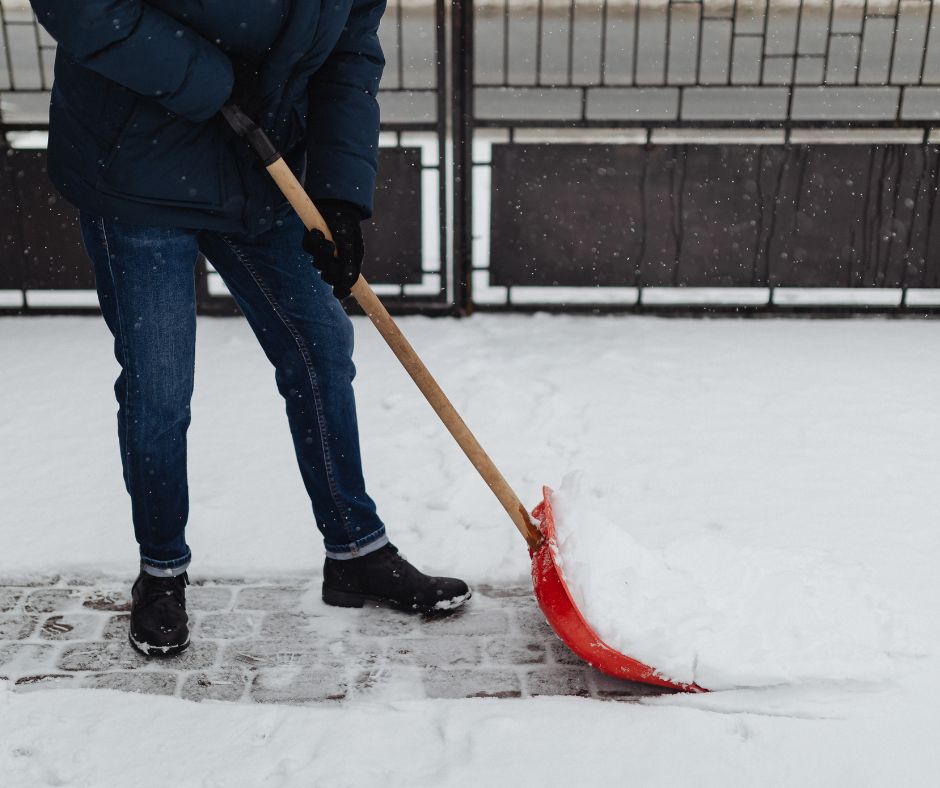
- Avoid overexertion when shoveling snow, which can lead to heart attacks or falls.
- Dress in layers if you must spend time outdoors. Frostbite and hypothermia are still risks in lingering cold.
- Be cautious around melting snow and ice, which can create flooding or slippery surfaces.
- Monitor food safety after prolonged power outages; discard perishable items that may have spoiled. The CDC Winter Safety Guidelines offer detailed advice on handling food and water safety.
6.3 Supporting Mental Health and Emotional Recovery
Winter storms can be stressful and traumatic, especially if your home or property was damaged. Experts recommend:
- Taking time to re-establish normal routines for children and family members.
- Talking about stress or anxiety with trusted friends, family, or mental health professionals.
- Participating in community recovery efforts, which can foster resilience and connection.
6.4 Preparing for Ongoing or Future Storms
Even after one storm passes, conditions may remain hazardous. Continue to:
- Monitor weather alerts for lingering cold, ice, or additional storms. (NWS Winter Safety)
- Replenish any supplies used during the storm to be ready for future emergencies.
- Review your emergency plan and make improvements based on lessons learned during the recent storm.
7. How to Recover After a Winter Storm
Recovering from a severe winter storm involves more than clearing snow. It requires assessing damage, managing financial impacts, and supporting both your family and community as conditions normalize. Following structured recovery steps can reduce stress and help you rebuild safely and efficiently.
7.1 Financial and Property Recovery
After the storm, many families face property damage or unexpected expenses. To recover effectively:
- Contact your insurance company promptly to report damage. Include photos, videos, and written notes documenting all affected areas and possessions. The FEMA website offers guidance on filing disaster-related claims.
- Keep receipts for any emergency repairs, hotel stays, or supplies purchased during the storm — these may be reimbursable.
- If your area is federally declared a disaster zone, you may be eligible for assistance from FEMA or state emergency programs. More information is available at Ready.gov.
- Repair or reinforce your home to prevent future storm damage, such as insulating pipes, trimming trees, or repairing roofs.
7.2 Health and Safety Recovery

Even after the storm, hazards remain:
- Watch for falling ice, weakened structures, or residual flooding.
- Be cautious when cleaning debris or shoveling snow; overexertion can lead to injuries or heart strain.
- Check on family and neighbors, particularly the elderly, disabled, or those who may have been isolated during the storm.
The CDC Winter Safety Guidelines provide advice for preventing accidents, illness, and injuries during post-storm cleanup.
7.3 Emotional and Community Support
Winter storms can be stressful and traumatic, especially when homes are damaged or routines disrupted:
- Talk about your experiences and stress with family, friends, or mental health professionals.
- Participate in community recovery efforts, such as helping neighbors clear sidewalks or volunteering at local shelters.
- Local Red Cross chapters often organize relief and support programs after storms. Visit Red Cross Winter Disaster Relief to find opportunities to volunteer or receive assistance.
Helping others not only strengthens your community but also supports your own emotional recovery.
7.4 Lessons for the Future
Every storm offers important lessons:
- Update your emergency kits based on what was useful or missing.
- Review your family and home preparedness plans to correct gaps.
- Stay aware of seasonal forecasts and long-term weather trends to be ready for the next storm. (NWS Winter Preparedness)
8. How to Get Help in the USA
When winter storms strike, knowing where and how to get help can save lives and reduce stress. From emergency services to government programs, multiple resources are available to assist individuals, families, and communities across the country.
8.1 Emergency Services
For life-threatening situations or immediate danger:
- Call 911 for emergencies such as medical issues, fires, or accidents caused by storm conditions.
- Local police and fire departments often provide updates, road closures, and emergency response alerts. You can check your city or county website for live information — for example, the New York City Emergency Management site provides real-time updates during snowstorms.
8.2 Shelters and Warming Centers
Winter storms can leave families without heat, power, or safe shelter:
- Many cities open temporary shelters and warming centers. For example, during Winter Storm Fern, cities like Boston, Philadelphia, and Memphis provided designated shelters for residents.
- Local government websites often list shelter locations. You can find resources via USA.gov Disaster Assistance.
- Churches, community centers, and the American Red Cross often offer emergency shelter, food, and supplies.
8.3 Utilities and Power Outage Assistance
Power outages are a common consequence of ice and snow storms:
- Contact your local electric, gas, or water utility to report outages or hazards. Many utilities maintain live outage maps online — for example, Tennessee Valley Authority outage map.
- Avoid using unsafe heating alternatives indoors, and follow guidelines from the CDC Winter Safety Page for surviving extended outages.
8.4 Federal and State Disaster Assistance
For widespread damage, federal and state programs can provide financial and material support:
- FEMA (Federal Emergency Management Agency) offers grants for temporary housing, repairs, and disaster-related expenses. Visit FEMA Disaster Assistance to apply.
- Many states have emergency management agencies with resources and guidance tailored to local conditions. For example, California Office of Emergency Services or New York State Division of Homeland Security provide updated storm alerts and recovery guidance.
8.5 Community and Volunteer Support
Community support is crucial after a storm:
- Volunteer organizations such as the Red Cross or local charities help distribute food, water, and essential supplies.
- Neighborhood networks can assist elderly or disabled residents who may not be able to shovel snow, clear ice, or access services.
- Coordinating efforts with trusted organizations ensures that help is delivered safely and efficiently. (Red Cross Volunteer Info)
9. How to Help Others Safely During a Winter Storm
Severe winter storms affect entire communities, not just individual households. Helping neighbors and others can save lives, prevent injuries, and foster resilience, but it must be done safely to avoid putting yourself at risk.
9.1 Check on Vulnerable Neighbors and Family
Some residents are particularly at risk during winter storms:
- Elderly, disabled, or chronically ill neighbors may need assistance with heat, supplies, or mobility.
- Families with young children might need help keeping their homes warm or accessing emergency kits.
- The American Red Cross recommends checking on neighbors before and after a storm to ensure they have power, food, water, and medication.
9.2 Assist With Outdoor Hazards
Winter storms create dangerous conditions outside:
- Shovel sidewalks and driveways for neighbors to reduce slip-and-fall risks.
- Spread sand or kitty litter on icy patches to improve traction.
- Avoid overexertion yourself; use proper techniques when shoveling snow to prevent injuries. Guidance is available from CDC Winter Safety Tips.
9.3 Volunteer with Local Organizations

Many communities rely on volunteer support during storms:
- Red Cross chapters and local shelters often need assistance distributing food, water, and emergency supplies. Learn more at Red Cross Volunteer Opportunities.
- Faith-based and community groups frequently organize snow removal, check-ins on seniors, and resource distribution.
- Volunteering ensures help is delivered efficiently while following safety guidelines for icy conditions, heavy snow, or limited visibility.
9.4 Share Information and Resources
Even simple acts of communication can help your community:
- Forward official winter storm alerts from the National Weather Service to neighbors or social networks.
- Share emergency numbers, shelter locations, and local aid contacts.
- Remind others about carbon monoxide safety, safe heating, and power outage protocols.
10. Key Takeaways — Preparing, Responding, and Recovering from Winter Storms in the USA
Winter storms, like the January 2026 Winter Storm Fern, show just how quickly cold, snow, and ice can turn everyday life into an emergency. Protecting your family, property, and community requires a full-cycle approach: preparation, response during the storm, post-storm recovery, and helping others.
10.1 Preparation is Critical
The most effective way to stay safe is planning ahead:
- Build a family emergency plan and maintain a fully stocked winter emergency kit. (FEMA Winter Weather Preparedness)
- Protect your home with pipe insulation, roof inspections, and safe heating options.
- Prepare your vehicle for winter conditions with emergency supplies and proper tires. (AAA Winter Driving Tips)
Being proactive can significantly reduce the dangers associated with power outages, icy roads, and frozen pipes.
10.2 Safe Response During the Storm
When a winter storm hits, safety must come first:
- Stay indoors whenever possible, monitor official updates, and follow National Weather Service alerts. (NWS Winter Safety)
- Manage power outages safely, avoiding indoor use of generators or grills. (CDC Carbon Monoxide Safety)
- Avoid unnecessary travel, and if you must drive, use proper winter safety measures.
Remaining calm, informed, and cautious helps prevent injuries and accidents during extreme weather.
10.3 Post-Storm Recovery
After the storm, take measured steps to restore safety and normalcy:
- Assess damage to your home, vehicle, and property, documenting everything for insurance claims. (FEMA Disaster Recovery)
- Focus on health and safety, avoiding overexertion while shoveling snow or clearing ice.
- Check on neighbors and vulnerable community members, especially if power or heat is still limited. (Red Cross Disaster Assistance)
Effective recovery ensures that short-term disruptions don’t lead to long-term consequences.
10.4 Helping Others Strengthens Communities
Winter storms affect entire neighborhoods and towns. Your actions can save lives and reduce hardship:
- Volunteer with local Red Cross chapters, shelters, or community organizations.
- Assist neighbors with snow removal, check-ins, and sharing vital information.
- Share official weather alerts, emergency contacts, and safety tips to keep your community informed.
Supporting others creates resilient communities better prepared for future storms.
10.5 Final Thoughts
Winter storms in the USA are unpredictable and can impact any region, from the South to the Northeast. The January 2026 storm highlights the importance of preparation, cautious response, and organized recovery. By taking these steps, you can:
- Protect your family and property
- Minimize risk to yourself and others
- Contribute to a safer, more resilient community
For more detailed guidance, explore resources from the National Weather Service, FEMA, and the American Red Cross. Staying informed and prepared is the best way to face winter storms safely.
Think You’re Ready for the Next Winter Storm? Take Our Quiz!
How prepared is your family for a severe winter storm? Do you really know how to protect your home, car, and loved ones when snow, ice, and freezing temperatures hit?
Take our quick 10-question quiz to find out if you’re truly Winter Storm Ready. You’ll get instant feedback, helpful tips, and actionable advice to improve your safety before the next storm hits.
👉 Click here to take the quiz now!
Don’t wait — a few minutes today could make all the difference when the next storm arrives.
READ MORE
Winter Travel Safety: How to Avoid Car & Road Emergencies This Season
10 Everyday Safety Mistakes Most People Don’t Realize They’re Making


0 Comments