

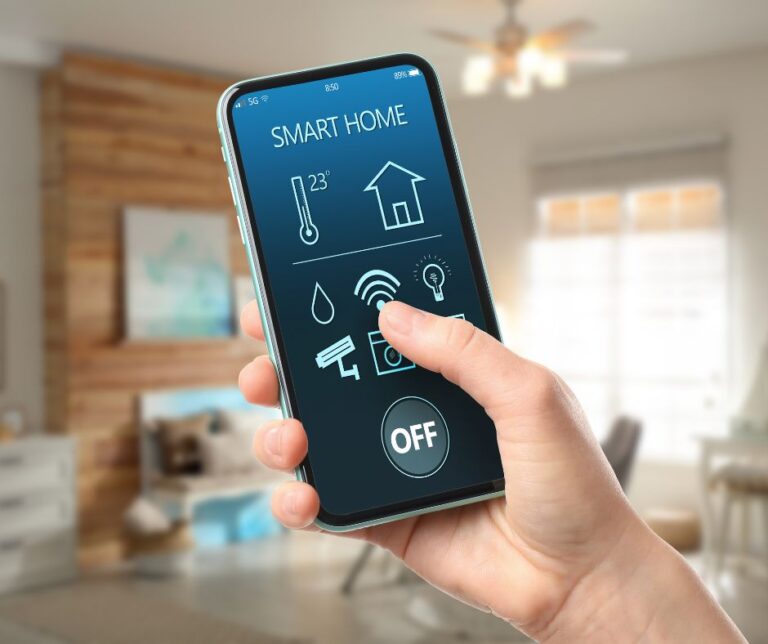
Home security is no longer just about loud sirens and wall-mounted keypads. Today’s smart home alarm systems combine motion sensors, AI-powered cameras, smartphone apps, and even automation that locks doors or turns on lights automatically.
But with monthly subscriptions, hardware costs, and privacy concerns, many homeowners are asking:
Are smart home alarm systems really worth it — or just another expensive gadget?
In this complete guide, we’ll break down:
- How smart alarm systems work
- The real pros and cons
- Cost breakdown (including hidden fees)
- Comparison of major brands
- Who should (and shouldn’t) invest
- Expert safety tips
- FAQs people are searching on Google
Let’s dive in.
What Is a Smart Home Alarm System?
A smart home alarm system is an internet-connected security system that allows you to monitor and control your home remotely using a smartphone, tablet, or computer.
Unlike traditional alarm systems that rely mainly on a control panel and phone line, smart systems use Wi-Fi or cellular networks to send real-time alerts.
Most systems include:
- Door and window sensors
- Motion detectors
- Indoor and outdoor cameras
- Smart sirens
- A central hub
- Mobile app control
- Optional 24/7 professional monitoring
Brands like Ring, SimpliSafe, ADT, and Google Nest have made these systems widely accessible.
How Smart Alarm Systems Work (Step-by-Step)
- Sensors Monitor Entry Points
Door/window sensors detect when something opens. - Motion Detection Activates Alerts
If motion is detected while armed, the system triggers. - Instant Notifications
You receive a push alert on your phone within seconds. - Camera Activation
Cameras begin recording (or switch to live view). - Alarm Response
- Self-monitoring: You respond yourself.
- Professional monitoring: A response center contacts you and may dispatch police.
Some systems integrate with:
- Smart locks
- Smart lighting
- Voice assistants
- Garage door openers
This creates a full security ecosystem rather than a simple alarm.
The Real Benefits of Smart Home Alarm Systems
1. Real-Time Awareness
Instead of finding out hours later, you know instantly when something happens. That speed matters.
2. Remote Control From Anywhere
Traveling? At work?
You can arm/disarm your system remotely.
3. Crime Deterrence
Visible cameras and alarm signs reduce burglary risk. Many intruders avoid homes with visible security systems.
4. Automation Increases Safety
Example:
- If motion is detected at night, lights automatically turn on.
- If smoke is detected, cameras activate.
5. Flexible Monitoring Options
You choose:
- Self-monitoring (no monthly fee)
- Professional monitoring (extra protection)
The Downsides You Should Know
No system is perfect.
1. Monthly Costs Add Up
While hardware may cost $200–$500 initially, subscription fees can range from $10–$40/month.
Over 3–5 years, that’s significant.
2. Internet Dependency
If Wi-Fi goes down, some systems lose functionality (unless cellular backup is included).
3. Privacy Risks
Internet-connected cameras introduce cybersecurity concerns. Always:
- Use strong passwords
- Enable 2-factor authentication
- Update firmware regularly
4. False Alarms
Improper installation can lead to unnecessary alerts.
How Much Do Smart Alarm Systems Really Cost?
Here’s a realistic breakdown:
| Component | Estimated Cost |
|---|---|
| Starter Kit | $150–$400 |
| Extra Sensors | $15–$40 each |
| Cameras | $50–$250 each |
| Professional Monitoring | $10–$40/month |
| Cloud Storage | $3–$15/month |
Over 5 years, a system could cost between $800–$2,000 depending on setup.
Comparison of Popular Smart Alarm Systems
1. Ring Alarm
- Affordable starter kits
- Easy DIY installation
- Works well with Alexa
- Subscription required for full features
2. SimpliSafe
- No long-term contracts
- Strong professional monitoring options
- Reliable sensors
3. ADT
- Established security brand
- Professional installation available
- Higher monthly cost
4. Google Nest Secure Ecosystem
- Strong smart home integration
- Excellent cameras
- Best for Google-based smart homes
Each has strengths — your choice depends on budget and ecosystem preference.
Are Smart Alarm Systems Worth It? (Real-Life Scenarios)
Worth It If:
- You travel often
- You live in a higher-crime area
- You want remote access
- You have valuables to protect
- You want smart home automation
Maybe Not Worth It If:
- You live in a low-risk rural area
- You rarely leave home
- Budget is tight
- You don’t want subscription costs
Smart Alarm Systems vs Traditional Alarm Systems
| Feature | Traditional | Smart |
|---|---|---|
| Smartphone Alerts | ❌ | ✅ |
| Remote Access | ❌ | ✅ |
| Automation | ❌ | ✅ |
| Internet Required | ❌ | Usually Yes |
| DIY Installation | Rare | Common |
Smart systems offer more flexibility — but also more complexity.
Security Expert Tips Before Buying
- Choose systems with cellular backup.
- Check battery life on sensors.
- Avoid long-term contracts if possible.
- Confirm compatibility with your smart devices.
- Look for encrypted cloud storage.
Frequently Asked Questions
Do smart alarm systems lower home insurance?
Some insurance companies offer discounts for monitored security systems. Check with your provider.
Can hackers access smart alarm systems?
It’s possible if poorly secured. Use 2FA and secure Wi-Fi networks.
Do smart alarms work during power outages?
Most include battery backups. Cellular backup ensures alerts still go through.
Is professional monitoring necessary?
Not always. Self-monitoring works for many homeowners, but professional monitoring adds peace of mind.
The Bottom Line: Are They Worth It?
For most modern homeowners, yes — smart home alarm systems are worth it.
They offer:
- Immediate alerts
- Remote access
- Automation
- Visible crime deterrence
- Customizable monitoring
However, they are not mandatory for everyone. If your risk level is low and your budget is tight, a basic alarm system may be enough.
The key is understanding your lifestyle, location, and security needs.
Read More: Strengthen Your Home & Family Safety
If you’re considering a smart alarm system, these guides will help you build a complete home safety plan:
- 👉 What to Do First If You Smell Gas at Home (Immediate Safety Steps)
Learn the exact actions to take in the first 5 minutes of a gas emergency. - 👉 What to Do If Violence Happens Nearby: A Calm Safety Guide for Families
Practical steps to protect your household during unexpected threats. - 👉 Winter Storm Emergencies in the USA: How to Prepare and Stay Safe
Smart preparation tips to avoid power outages and winter hazards. - 👉 10 Everyday Safety Mistakes Most People Don’t Realize They’re Making
Small habits that could quietly put your home at risk. - 👉 2-Minute Emergency Preparedness Quiz
Test how prepared your home really is.


0 Comments