

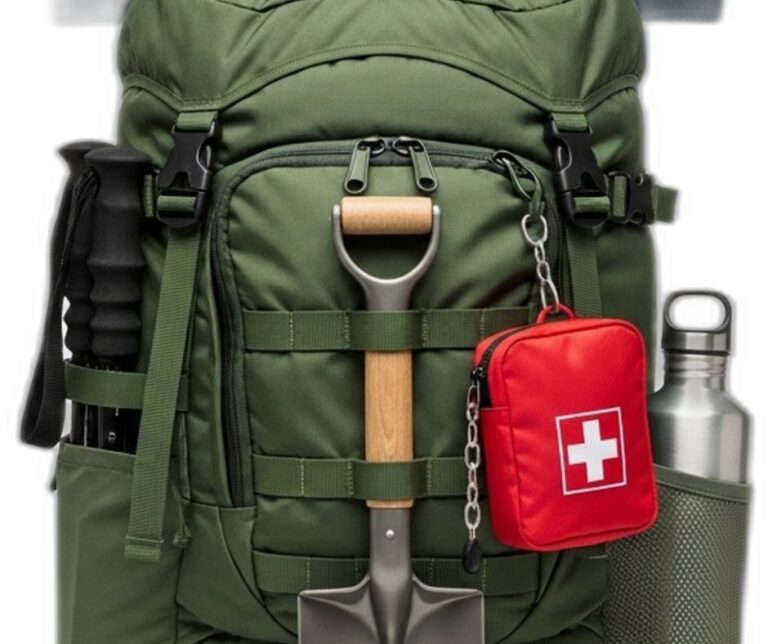
Preparing for the unexpected can feel overwhelming, but it doesn’t have to be. In our modern world, being “smart” about safety means moving beyond simply stockpiling supplies. It’s about building a resilient mindset, leveraging free expert training, and creating adaptable plans that work for a wide range of scenarios—from natural disasters to human-caused incidents.
This is your ultimate guide to modern emergency preparedness. We will break it down into the three essential pillars: creating robust plans, assembling smart kits, and accessing professional-grade training. Filled with actionable steps and links to authoritative resources, this guide will help you protect yourself and your loved ones.
Pillar 1: Build a Rock-Solid Plan (Don’t Just Wing It)
The foundation of preparedness is a clear, practiced plan. Emergencies are chaotic, but your response shouldn’t be. The goal is to make safety decisions automatic.
- Understand Your Risks: Different areas face different threats. Are you in a flood zone, tornado alley, or an earthquake-prone region? Do you live in an urban environment with different considerations? Your plan should address the full range of possibilities .
- Develop a Family Communication Plan: It’s crucial to know how you’ll reconnect if separated. Identify an out-of-town contact person who family members can call to check in, as local lines may be jammed. Ensure everyone has a list of important numbers.
- Plan for Everyone: Your plan must account for the specific needs of all household members, including children, older adults, people with disabilities, and pets. This includes medication lists, mobility assistance, and supplies for service animals .
- Make a PACT: For a structured approach, consider the framework of Planning, Assembling supplies, Communicating, and Training, which is echoed in various preparedness guides .
Smart Action: Start simple. This week, sit down with your household and discuss two meeting places: one right outside your home (for sudden emergencies like a fire) and one outside your neighborhood (in case you can’t return home).
Pillar 2: Assemble Your “Smart” Emergency Kits
Forget just one kit. A modern approach requires having supplies staged in different locations depending on the need. A good rule of thumb is to have a 3-day supply for evacuation and a 2-week supply for staying at home .
The Go-Bag (For Evacuation)
This is a lightweight, portable kit you can grab if you need to leave immediately. Keep it in an easily accessible place.
- Basics: Water (one gallon per person per day), non-perishable food, manual can opener, flashlight, and a battery-powered or hand-crank radio to receive official updates .
- Health & Safety: First aid kit, a 7-14 day supply of prescription medications, and copies of important documents (IDs, insurance policies, deeds) in a waterproof container .
- Tools & Comfort: Extra cash, a local map, cell phone chargers with a portable power bank, sanitation items, and emergency blankets .
- For the Whole Family: Don’t forget pet supplies (leash, food, carrier) and baby supplies (formula, diapers) .
The Home Base (For Shelter-in-Place)
This is a larger stockpile of supplies to sustain your household for an extended period. Focus on bulk water storage, a wider variety of non-perishable food, and additional hygiene and sanitation products.
The Digital Kit
In the 21st century, protecting your information is just as important.
- Scan all critical documents (driver’s licenses, passports, birth certificates, insurance cards) and store them in a secure, password-protected cloud service .
- Back up irreplaceable digital photos and files to an external hard drive and a cloud service.
Smart Action: Dedicate one hour this weekend to gathering your documents for scanning and making a shopping list for your Go-Bag items. Check out resources like Ready.gov for comprehensive kit checklists.
Pillar 3: Level Up with Free, Professional-Grade Training
The most powerful tool you have is knowledge. You don’t need to be a professional responder to act effectively in a crisis. There are numerous free, high-quality training programs available that can turn you from a bystander into a lifesaver .
- For Medical Emergencies:
- Stop the Bleed: A national campaign that teaches civilians how to control life-threatening bleeding. You’ll learn how to apply pressure, pack a wound, and use a tourniquet. Find a course near you at StopTheBleed.org .
- You Are the Help Until Help Arrives: This FEMA-sponsored program focuses on the five simple actions you can take in the first few minutes of an emergency—like a car crash or shooting—before professionals arrive. Learn more at DHS.gov/until-help-arrives .
- For Disaster Response:
- Community Emergency Response Team (CERT): This is one of the best programs for civilians. CERT trains you in basic disaster response skills like fire safety, light search and rescue, team organization, and disaster medical operations. Find your local program at Ready.gov/CERT .
- For Specific Threats:
- ACT Awareness: In the UK, ProtectUK offers a free online course called ACT (Action Counters Terrorism) Awareness to help staff and the public understand and counter terrorism threats .
- Active Shooter Preparedness: The “Run, Hide, Fight” protocol is the standard response taught by law enforcement and safety officials . Many local police departments and the FBI offer free active shooter preparedness resources.
Smart Action: Bookmark FEMA’s Emergency Management Institute , which offers a huge catalog of independent study courses that you can take online at your own pace .
Putting It All Together: Practice Makes Perfect
A plan is just a piece of paper, and a kit is just a bag of stuff, until they are tested. Regular practice ingrains the proper responses into your muscle memory.
- Home Fire Drills: Practice feeling your way out of the house in the dark or with your eyes closed. Practice two ways out of every room and designate a safe meeting spot outside .
- “Drop, Cover, and Hold On”: If you live in an earthquake zone, practice this life-saving move. Get under a sturdy table, cover your head and neck, and hold on until the shaking stops .
- Situational Awareness: Make it a habit to identify exits and safe places to hide whenever you enter a public building. This simple mental exercise can save precious seconds in an emergency .
Conclusion
Being truly prepared is not about living in fear; it’s about living with confidence. By taking a “smart” approach that integrates the three pillars of Planning, Kits, and Training, you build resilience not just for yourself, but for your entire community. Start with one small step today, and build from there. Your future self will thank you.


0 Comments