

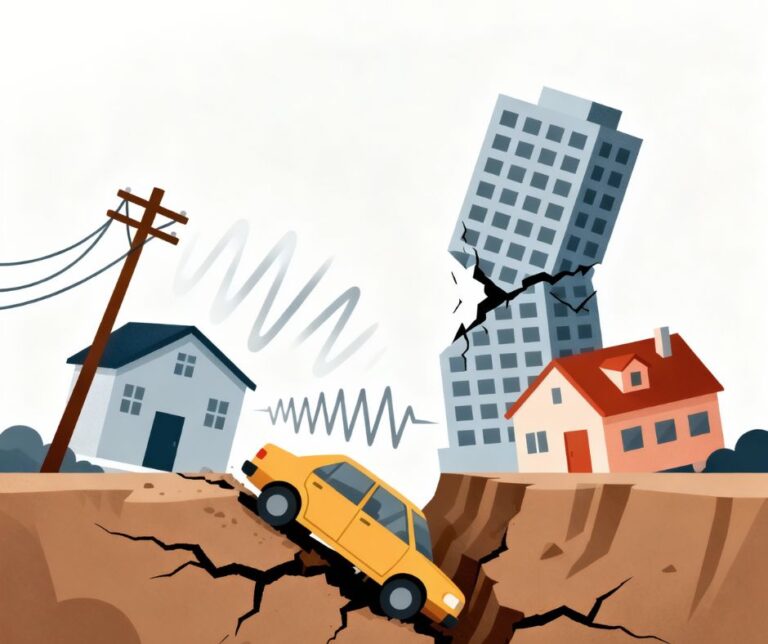
Natural disasters, power outages, cyberattacks, and unexpected emergencies are increasing worldwide. The question is no longer “Will something happen?” — it’s “Are you prepared when it does?”
Emergency preparedness is not about fear. It’s about control, confidence, and protecting your family when seconds matter. In fact, viewing preparedness as an investment rather than an expense is financially prudent; studies show that for every $1 invested in disaster preparedness, households see about $7 in direct economic benefits from avoided damages and reduced recovery costs .
In this SafeModeliving guide, you’ll learn exactly how to prepare your home for emergencies in 2026, backed by the latest data and expert recommendations.
🚨 Why Emergency Preparedness Is More Important Than Ever
According to the Federal Emergency Management Agency (FEMA), many families are unprepared for emergencies lasting longer than 72 hours. The gap between perceived and actual readiness is stark. A recent SafeHome survey revealed that while many believe they are prepared, only a shocking 5% of homes actually have a fully stocked emergency kit, and 20% have no essential items at all .
Modern risks have expanded beyond traditional natural disasters to include:
- Severe storms and floods: Events like the hypothetical “Storm Fern” threaten to impact millions, with forecasts suggesting potential disruption to over 180 million homes .
- Wildfires and Earthquakes: These can strike with little to no warning, demolishing infrastructure in minutes.
- Power grid failures: Often caused by extreme weather, these outages can disrupt communications, transportation, utilities, and access to ATMs and medical devices for days .
- Water shortages and Cyber infrastructure attacks: These represent a new frontier of systemic risk that can affect entire regions.
- Extreme Cold: Beyond storms, cold exposure is a significant killer. Data indicates that 63% of temperature-related deaths are attributable to cold exposure, making home heating reliability a life-or-death issue .
Prepared families recover faster and suffer fewer losses. The return on investment is clear: comprehensive planning not only saves lives but also protects your finances from the thousands of dollars in costs that can accrue from hotel stays, home repairs, and spoiled food during a disaster .
🧰 Step 1: Build a 72-Hour Emergency Kit (and Beyond)
Experts, including FEMA and the American Red Cross, recommend having supplies for at least 3 days, though a 2-week supply at home is even better for extensive disruptions . Your emergency kit should be robust and tailored to your family’s unique needs.
🥫 Essential Supplies
- Water: Store at least 1 gallon of water per person per day for drinking and sanitation. Use sealed, unbreakable containers and renew the supply every six months .
- Food: Keep a 3-day supply of non-perishable food that requires no cooking, such as canned fruits and vegetables, crackers, peanut butter, and dry cereal .
- Tools & Sanitation: Include a manual can opener, flashlights with extra batteries, a first aid kit, emergency blankets, and a portable phone charger/power bank.
📄 Important Documents & Financial Preparedness
Store copies of IDs, insurance documents, medical records, and a list of emergency contacts in a waterproof, fireproof container. The IRS even recommends this to protect tax records . Don’t forget to include cash or a backup credit card, as ATMs may be down.
💡 The Hidden Costs of Kit Maintenance
Preparedness is an ongoing expense. Items like non-perishable food, medical supplies, and even batteries expire. Factor in the cost of rotation and replacement every one to three years into your household budget. Investing in specialized storage, like waterproof bins or fireproof safes, can cost up to $200 but is crucial for protecting sensitive items .
🏠 Step 2: Create a Family Emergency Plan
Every family member should know what to do when disaster strikes, as you may not be together when it happens . A plan turns panic into procedural action.
Your plan should clearly outline:
- Meeting Places: Establish two places—one right outside your home in case of a sudden emergency like a fire, and another outside your neighborhood in case you cannot return home .
- Communications: Designate an out-of-state friend or relative as a central point of contact. It is often easier to call long-distance than within a disaster zone . You can use the official Ready.gov Make a Plan Form to create and email a PDF of your Family Emergency Communication Plan to all members .
- Evacuation Routes: Identify multiple ways to leave your neighborhood and city.
- Practice: Review and practice your plan twice per year. Conduct drills so that actions become second nature, especially for children .
🔦 Step 3: Prepare for Power Outages
Power failures are becoming more common due to extreme weather. In winter, home heating is the second leading cause of home fires, responsible for an estimated 32,200 home fires annually, leading to hundreds of deaths and injuries . Being prepared is critical.
Preparation tips:
- Lighting: Use flashlights and battery-operated lanterns. Never use candles, as they pose a significant fire risk.
- Backup Power: Consider investing in a portable power station or generator. Costs for portable generators range from $500 to $2,000, while whole-home standby systems can run $5,000 or more . Crucially, only use generators outdoors and away from windows to prevent carbon monoxide (CO) poisoning .
- Food Safety: Keep freezers and refrigerators closed. Food in a full freezer can stay safe for about 48 hours. Throw away any food exposed to temperatures of 40 degrees or higher for two hours or more .
- Medical Needs: If you rely on power-dependent medical devices or refrigerated medicines, have alternate plans in place and contact your power provider about priority restoration lists .
- Stay Informed: Have a battery-powered or hand-crank radio (like a NOAA weather radio) to receive emergency information .
🌊 Step 4: Know Your Local Risks and Budget Accordingly
Preparedness isn’t one-size-fits-all; it depends entirely on where you live. Your ZIP code shapes what you’ll spend and how you should prepare .
For example:
- Coastal areas (hurricanes & floods): Need hurricane shutters, flood barriers, sump pumps, and sandbags. Standard homeowners insurance does not cover flooding, so separate policies are a must .
- Rural dry zones (wildfires): Require defensible space, fire-resistant landscaping, and reinforced windows.
- Northern climates (extreme cold & ice): Require backup heating sources, snowmelt supplies, and winter car kits . To save on heating bills, simple measures like closing off unused rooms, using window insulation kits, and letting sunlight in during the day can be highly effective .
- Urban areas (infrastructure failures): May require more extensive water storage and plans for civil unrest.
Understanding these local threats helps you prepare smarter and allocate your preparedness budget more effectively.
🧠 Step 5: Learn Basic Survival Skills
Preparedness is not only about supplies; it’s about capability. Knowing how to use your supplies and respond in a crisis is paramount.
Important skills include:
- Basic First Aid & CPR: The American Red Cross offers certification courses that equip participants to respond to cardiac, breathing, and first aid emergencies . Courses like the First Aid/CPR/AED program teach you to provide immediate care when minutes matter and are often valid for two years . You can find classes through local chapters, community centers, or universities .
- Fire Extinguisher Usage: Know the PASS technique (Pull, Aim, Squeeze, Sweep).
- Utility Shut-Off: Learn how to safely turn off gas, water, and electricity at main switches .
- Water Purification: Understand methods like boiling, using purification tablets, or filters.
📱 Step 6: Digital Preparedness
Modern emergencies can also be digital, and even physical disasters have a digital component. Protect your data and access to information.
Protect yourself by:
- Backing up important files: Use an encrypted external hard drive and a cloud service to ensure you have copies of vital documents.
- Saving emergency contacts offline: Keep a physical list in your kit, as a dead phone battery can leave you without phone numbers.
- Keeping devices charged: Maintain portable power banks and consider a solar charger as a low-cost alternative to a generator .
- Following official alert systems: Sign up for local emergency alerts and ensure your phone can receive Wireless Emergency Alerts (WEAs). Many governments now use SMS alert systems for real-time updates .
👨👩👧👦 Step 7: Prepare Children and Elderly Family Members
Preparedness must be inclusive. The Virginia Department of Health emphasizes the importance of planning for all demographics, including children, older adults, people with disabilities, and pets .
For Children:
- They should know their full name, address, and how to call emergency services.
- Include them in the process by building the kit together, role-playing scenarios, and holding drills. This empowers them and reduces anxiety .
- Include comfort items in their kit, such as favorite stuffed animals, books, or games . Programs like “Prepare with Pedro” offer free activity books and games to teach kids about disasters in a non-frightening way .
For Elderly Family Members:
- They may need extra assistance. Plan for extra medication supplies (at least a week’s worth) and any mobility assistance.
- Create a support network of family, friends, and neighbors to check on them .
- Address specific needs like backup power for medical equipment and ensuring walkways are safe from ice and snow to prevent falls . The “Take Control in 1, 2, 3” guide from FEMA is an excellent resource for creating a personalized plan for older adults .
For Those with Disabilities and Pets:
- Consider individual circumstances and needs, and contact local emergency management about voluntary disability registries for targeted assistance .
- For pets, never leave them behind. Prepare a pet emergency kit with food, water, vaccination records, a leash, and a carrier .
🛡 The Psychological Side of Preparedness
Being prepared is a powerful antidote to fear. The anxiety during a crisis often stems from the unknown. When your family knows exactly:
- Where to go (the designated meeting places)
- What to do (how to shut off gas, who to call)
- What supplies are available (the fully stocked kit in the waterproof container)
You replace panic with decisive action. This confidence allows you to think clearly, protect your loved ones, and begin the recovery process faster. Preparedness is not just a logistical exercise; it’s a mental health strategy for uncertain times.
✅ Final Thoughts: Prepared, Not Paranoid
Emergency preparedness is not extreme — it’s responsible. In 2026, the risks are real and varied, but the solution is straightforward and within everyone’s reach. You don’t have to do it all at once.
Start small:
- Build your kit: Begin with a goal of 72 hours of supplies, adding items gradually to your shopping list. Set up a prep fund with just $20 to $50 a month to cover costs without financial strain .
- Create your plan: Sit down with your family and fill out the Ready.gov form today .
- Practice once: Run a fire drill or a communications drill this weekend.
In uncertain times, preparation is the best protection. SafeModeliving encourages every household to review its emergency readiness today — because safety starts before disaster strikes.
📌 Read More From SafeModeliving
🧭 1. Complete Guide to Creating a Family Emergency Communication Plan
Every second counts when families are separated during a disaster. This guide walks you through step-by-step:
✔ Why communication plans are essential
✔ How to hold a successful family planning meeting
✔ Choosing an out-of-town contact
✔ Setting meeting locations
✔ Writing, storing, and practising your plan
✔ Creating emergency contact cards
✔ Tailoring the plan for kids, pets, seniors, and special needs
✔ Updating and rehearsing your strategy regularly
Learn how simple preparation today can eliminate confusion tomorrow and keep everyone connected when it matters most. Read The Full Communication Plan Guide
🔥 2. What to Do First If You Smell Gas at Home – Immediate Safety Steps
Smelling gas at home requires fast, calm, and correct action to prevent explosions, fires, or serious health risks. In this safety guide you’ll find:
✔ How to identify natural gas leaks
✔ Immediate steps to take before calling for help
✔ Safety hazards to avoid (lighting matches, using electrical switches)
✔ When and how to evacuate safely
✔ Contacting your gas provider and emergency services
✔ Preparing your household with an action plan
Quick decisions save lives — and this article breaks down exactly what to do in a clear, no-panic sequence. Read the Full Gas Leak Safety Post
🛡 3. What to Do If Violence Happens Nearby – A Calm Safety Guide for Families
Violence in your community — whether a fight, civil unrest, or an active threat — can spark fear. This guide helps you stay safe, protect loved ones, and act confidently:
✔ How to assess the threat calmly
✔ What to do if you are at home
✔ Steps for protecting children and vulnerable family members
✔ When and how to shelter in place
✔ How to communicate with neighbours and emergency responders
✔ Evacuation planning and cues to leave safely
The focus is on practical actions without panic, helping you make the right choices under stress. Read the Full Violence Safety Guide


0 Comments