

1. Introduction: Why Fire Risks Increase in Winter
Winter is one of the most dangerous seasons for residential fires. As temperatures drop, households rely more on space heaters, fireplaces, wood stoves, and candles to stay warm. According to the National Fire Protection Association, home heating equipment is among the leading causes of house fires during winter, especially when heaters are placed too close to flammable materials or used improperly.
Fire risks increase further when heating systems are not regularly maintained. The U.S. Fire Administration reports that many winter fires start due to unattended heating devices, blocked vents, or neglected chimneys. These incidents often spread faster in winter because homes are sealed to conserve heat, allowing smoke and flames to move quickly indoors.
Another serious but often overlooked danger is carbon monoxide exposure. Guidance from the Centers for Disease Control and Prevention explains that fuel-burning heaters and fireplaces can release deadly carbon monoxide when ventilation is poor. Since this gas is invisible and odorless, it can build up without warning, especially during cold weather.
Safety recommendations from the Consumer Product Safety Commission emphasize keeping portable space heaters at least three feet away from furniture, curtains, and bedding. Ignoring these basic rules is a common cause of winter fire emergencies, particularly during nighttime use.
This guide explores the hidden fire dangers of heaters, fireplaces, and candles and shows how simple safety habits can significantly reduce risks. Staying warm should never mean putting your home or family in danger—understanding winter fire hazards is the first step toward safer living.
2. Common Winter Fire Hazards Most People Ignore
Many winter house fires don’t start with obvious flames but with everyday habits that seem harmless. Fire investigators from the U.S. Fire Administration consistently report that small oversights—like improper heater placement or blocked ventilation—are among the most common causes of winter fire emergencies.
One major hazard is overloaded electrical outlets. During winter, people often plug multiple heaters, electric blankets, and lighting into the same outlet. According to guidance from the Consumer Product Safety Commission, overloaded or damaged electrical cords can overheat and ignite surrounding materials, especially in older homes with outdated wiring.
Another frequently ignored risk is improper heater placement. Safety experts from the National Fire Protection Association stress that space heaters should never be placed near curtains, furniture, or bedding. Even brief contact with flammable materials can start a fire within minutes.
Blocked vents and chimneys are also a serious concern during winter. The Centers for Disease Control and Prevention warns that snow, debris, or poor maintenance can trap smoke and carbon monoxide inside the home, increasing both fire and poisoning risks. This danger is amplified when homes are tightly sealed to retain heat.
Seasonal decorations add another layer of risk. Holiday fabrics, dry Christmas trees, and decorative candles can ignite easily if placed too close to heat sources. The American Red Cross highlights that many winter fires involve decorations that were never intended to be near open flames or heating devices.
Understanding these hidden hazards is critical. Winter fire safety is not only about avoiding obvious dangers but also about recognizing how routine winter behaviors can quietly increase fire risk over time.
3. Space Heater Safety: The Biggest Winter Fire Risk
Portable space heaters are a convenient way to stay warm in winter, but they are also one of the leading causes of home fires during the colder months. According to the National Fire Protection Association, space heaters account for thousands of winter fires each year, making proper use essential for every household.
3.1 Safe Placement Rules
The Consumer Product Safety Commission recommends keeping space heaters at least three feet away from furniture, curtains, bedding, and other flammable materials. Never place heaters under desks, near doorways, or in high-traffic areas where they can be accidentally knocked over.
3.2 Choosing Certified Heaters
Always select heaters that are UL-listed or ETL-certified, ensuring they meet safety standards. Heaters with built-in tip-over protection and automatic shut-off functions are highly recommended to reduce the risk of accidental fires.
3.3 Automatic Shut-Off Features
Modern space heaters often come with overheat protection and automatic shut-off switches. These features prevent the heater from continuing to operate if it gets too hot or tips over, significantly lowering the risk of a fire while you sleep or leave the room.
3.4 Never-Do Mistakes
Common mistakes include using extension cords or power strips, leaving heaters unattended, or drying clothing on or near the heater. The U.S. Fire Administration stresses that even short periods of misuse can ignite fabrics or carpets, causing rapid fire spread.
3.5 Safe Use in Bedrooms and Small Spaces
If you use a space heater in a bedroom, always turn it off before sleeping and ensure the room is properly ventilated. Small spaces can trap heat quickly, increasing the chance of overheating, so follow all manufacturer instructions carefully.
By following these safety measures, you can enjoy warmth without compromising your home’s safety. Proper space heater usage is one of the simplest ways to prevent winter fires while keeping your household cozy.
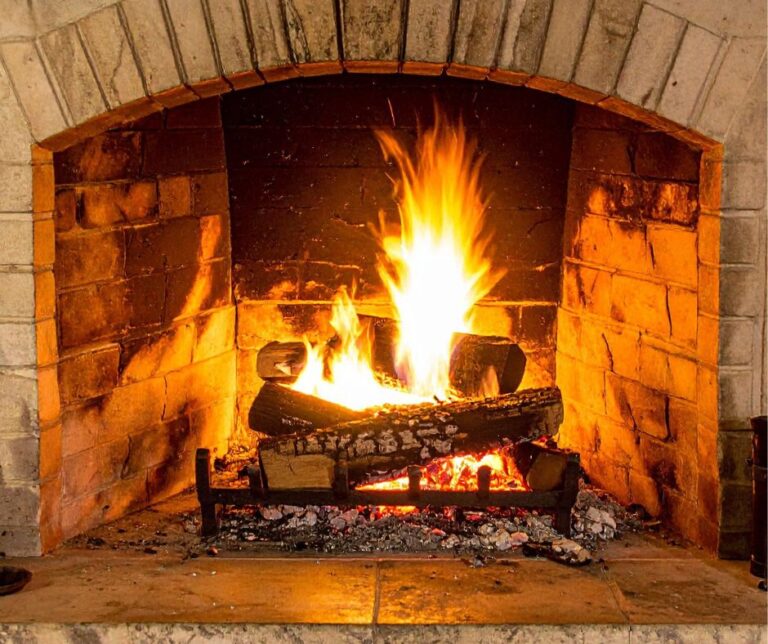
4. Fireplace Safety: Enjoying Warmth Without the Risk
Fireplaces create a cozy atmosphere in winter, but they also pose serious fire hazards if not properly maintained. According to the National Fire Protection Association, unattended or poorly maintained fireplaces are a leading cause of residential fires during the colder months. Proper maintenance and safe habits are critical for preventing accidents.
4.1 Chimney and Flue Maintenance
Regular cleaning of chimneys and flues is essential to prevent creosote buildup, which is highly flammable. The U.S. Fire Administration recommends having chimneys inspected and cleaned at least once a year by a certified professional. Blocked or dirty chimneys can cause smoke and fire hazards inside your home.
4.2 Safe Wood and Fuel Choices
Burn only dry, seasoned wood in wood-burning fireplaces. Wet or green wood produces more smoke and sparks, increasing fire risk. For gas fireplaces, ensure the fuel supply lines and pilot lights are inspected regularly, as advised by the Consumer Product Safety Commission.
4.3 Spark Screens and Fire Guards
Use a spark screen or fireplace door to prevent sparks and embers from reaching your furniture or flooring. The American Red Cross emphasizes that even a single stray ember can ignite flammable materials in seconds.
4.4 Proper Ash Disposal
Dispose of fireplace ashes safely by placing them in a metal container with a lid, and keep it at least ten feet away from your home. Never discard ashes near flammable objects, as they can retain heat for days and easily start a fire.
4.5 Gas Fireplace Safety Checks
For gas fireplaces, perform regular inspections of the gas line, burners, and vents. Install carbon monoxide detectors nearby, as improper ventilation can lead to CO buildup, a risk highlighted by the Centers for Disease Control and Prevention.
By following these safety measures, you can enjoy the warmth and ambiance of a fireplace while dramatically reducing the risk of winter fires.
5. Candle Safety in Winter: Small Flames, Big Dangers
Candles create warmth and ambiance during the winter months, but they are a surprisingly common source of household fires. According to the National Fire Protection Association, candles are involved in hundreds of winter fires each year, often due to simple mistakes that are easy to prevent.
5.1 Where Candles Should Never Be Placed
Candles should never be placed near curtains, furniture, bedding, or decorations. The American Red Cross warns that even a small flicker can ignite nearby flammable materials, creating a fire hazard in seconds.
5.2 Safe Alternatives
Consider using LED or battery-operated candles for decoration, especially in high-traffic areas or rooms with children and pets. These alternatives provide the same cozy glow without any fire risk.
5.3 Candle Safety Around Children and Pets
Never leave candles unattended in rooms where children or pets are present. The U.S. Fire Administration emphasizes that even short distractions can result in accidental fires when curious hands or paws knock over candles.
5.4 Never Leave Candles Unattended
Always extinguish candles before leaving a room or going to sleep. The Consumer Product Safety Commission advises keeping a candle snuffer handy instead of blowing them out, which can spread hot wax and embers.
5.5 Holiday Candle Risks
Seasonal decorations such as Christmas candles, wreaths, or potpourri can amplify fire hazards. The Centers for Disease Control and Prevention reminds households that these items, combined with open flames, increase the chance of rapid fire spread.
By following these precautions, you can enjoy the warmth and ambiance of candles safely throughout the winter season while significantly reducing the risk of accidental fires.
6. Carbon Monoxide and Fire: A Hidden Winter Threat
While fire hazards are obvious, carbon monoxide (CO) is a silent winter threat that is often overlooked. CO is an odorless, colorless gas produced by burning fuel in heaters, fireplaces, stoves, and generators. The Centers for Disease Control and Prevention warns that exposure to even low levels can cause serious health issues, including headaches, dizziness, and in extreme cases, death.
6.1 How Heating Systems Produce Carbon Monoxide
Fuel-burning devices such as gas heaters, wood stoves, and fireplaces can produce CO if ventilation is blocked or the appliance is improperly maintained. The U.S. Fire Administration notes that snow or debris can obstruct chimneys and vents, causing CO to accumulate indoors.
6.2 Warning Signs You Should Never Ignore
Symptoms of CO exposure include nausea, fatigue, and shortness of breath. The Consumer Product Safety Commission emphasizes installing CO detectors near bedrooms and living areas to alert your family before dangerous levels build up.
6.3 Safety Practices to Reduce Risk
- Always have heating systems professionally inspected before winter.
- Never use portable fuel-burning devices indoors without proper ventilation.
- Keep chimneys, flues, and vents clean and unobstructed, as recommended by the National Fire Protection Association.
- Install CO alarms on every level of your home and test them monthly.
Carbon monoxide is invisible and silent, but with proper precautions, you can enjoy warmth without the hidden danger of poisoning. Combining CO safety with fire prevention practices makes your home significantly safer during the winter months.
7. Smoke Detectors & Fire Alarms: Your First Line of Defense
Smoke detectors and fire alarms are critical for winter fire safety. They alert you to danger before a fire can spread, saving lives and property. According to the National Fire Protection Association, working smoke alarms reduce the risk of death in a home fire by nearly 50%.
7.1 Where Detectors Should Be Installed
Install smoke detectors inside every bedroom, outside sleeping areas, and on every level of the home, including basements. The U.S. Fire Administration recommends placing alarms on the ceiling or high on the wall, away from windows, doors, or ducts that could interfere with proper operation.
7.2 Battery Checks and Replacements
Test smoke detectors monthly and replace batteries at least once a year. Some units come with long-life lithium batteries, which can last up to ten years. The Consumer Product Safety Commission advises replacing the entire detector every 10 years to ensure full functionality.
7.3 Interconnected Alarms
For larger homes, consider interconnected smoke alarms, which ensure that when one alarm detects smoke, all alarms sound. The American Red Cross highlights that this feature provides earlier warning and more time to escape.
7.4 Fire Extinguishers: Type and Placement
Keep fire extinguishers in key areas such as the kitchen, near fireplaces, and in mechanical rooms. Ensure they are rated for Class A, B, and C fires, and that household members know how to use them. The U.S. Fire Administration emphasizes that extinguishers complement smoke detectors but are not a substitute for early detection.
Maintaining smoke detectors and alarms is a simple, inexpensive step that can drastically reduce winter fire risk, giving your family valuable time to respond safely.
8. Winter Fire Safety Checklist (Quick Reference)
Keeping your home safe during winter is easier when you follow a clear checklist. This quick reference guide summarizes the most important fire prevention measures for heaters, fireplaces, and candles.
8.1 Heater Safety
- Keep all space heaters at least three feet from furniture, curtains, and bedding (CPSC).
- Use UL-listed or ETL-certified heaters with tip-over and overheat protection (NFPA).
- Never leave heaters unattended or run them while sleeping (USFA).
8.2 Fireplace Safety
- Have chimneys and flues inspected and cleaned annually (USFA).
- Use dry, seasoned wood or properly maintained gas fireplaces (CPSC).
- Always use a spark screen or fireplace door (American Red Cross).
- Dispose of ashes in a metal container, kept away from your home (NFPA).
8.3 Candle Safety
- Never place candles near flammable materials (American Red Cross).
- Consider LED or battery-operated candles for safety.
- Extinguish candles before leaving the room or sleeping (USFA).
- Keep candles away from children and pets (CPSC).
8.4 Smoke and CO Detectors
- Install smoke detectors on every level, inside bedrooms and outside sleeping areas (NFPA).
- Install carbon monoxide detectors near bedrooms and living areas (CDC).
- Test alarms monthly and replace batteries annually (CPSC).
8.5 Emergency Preparedness
- Keep fire extinguishers in key locations and know how to use them (USFA).
- Have a clear evacuation plan and practice it with family members (American Red Cross).
- Keep a first aid kit accessible in case of burns or injuries.
Following this Winter Fire Safety Checklist ensures your home stays safe, reducing the risk of fire while keeping your family warm and protected.
9. What to Do If a Fire Starts in Winter
Even with precautions, winter fires can happen. Knowing how to react quickly and safely can save lives and minimize damage. According to the U.S. Fire Administration, most fire-related injuries occur when occupants panic or delay evacuation.
9.1 Stay Calm and Assess the Situation
- Don’t try to fight large fires on your own. Small flames may be extinguished with a fire extinguisher, but larger fires spread quickly in winter, especially in homes filled with dry decorations and flammable materials.
- Keep children and pets calm and guide them to a safe exit (American Red Cross).
9.2 Evacuate Immediately
- Leave the house as quickly as possible using your pre-planned escape routes (NFPA).
- Do not stop to collect belongings, and make sure everyone is accounted for at a safe meeting point outside the home.
9.3 Call Emergency Services
- Dial 911 or your local emergency number as soon as you are safe.
- Provide clear information: location of the fire, type of building, and whether anyone is trapped inside (USFA).
9.4 Avoid Re-Entering the Home
- Do not re-enter the house under any circumstances until fire officials declare it safe.
- Smoke and hidden embers can reignite, especially during winter when homes are insulated and retain heat, posing additional risk (CDC).
9.5 Winter-Specific Hazards
- Ice and snow may make exits slippery. Clear paths outside if possible.
- Keep warm clothing or blankets ready in case you must evacuate during extreme cold.
- Be cautious of frozen fire hydrants if emergency services arrive.
By following these steps, you can maximize safety during a winter fire and reduce the risk of injuries or fatalities. Quick, calm, and prepared action is the most effective way to protect your family and home.
10. Conclusion: Stay Warm, Not at Risk
Winter warmth is essential, but it should never come at the cost of your home or family’s safety. Heaters, fireplaces, and candles provide comfort, but each carries potential fire hazards if not used responsibly. Following the advice of trusted authorities such as the National Fire Protection Association and the U.S. Fire Administration can significantly reduce risks.
Key Takeaways:
- Space heaters: Keep them away from flammable materials and never leave them unattended (CPSC).
- Fireplaces: Ensure proper chimney maintenance, use seasoned wood, and always employ spark screens (American Red Cross).
- Candles: Never leave them unattended, and consider LED alternatives (USFA).
- Detectors: Install smoke and carbon monoxide alarms on every level of your home, test them regularly, and replace batteries as needed (CDC).
- Preparedness: Have a clear evacuation plan, know how to use a fire extinguisher, and keep emergency supplies accessible.
By integrating these practices into your daily winter routine, you can enjoy cozy, warm winters without exposing your home or loved ones to unnecessary danger.
Take more Quizzes
- Winter Travel Safety Check: Are You Ready for the Road?
- How Safety-Smart Are You? Take This Quiz to Find Out!
- Are You Winter Storm Ready? Take This Quiz to Find Out!
- 2-minute Emergency Preparedness Quiz
- Food Safety Handler Practice Test (Realistic Training Quiz)


0 Comments