

Introduction — Why Emergency Preparedness Matters
Emergencies don’t give you a heads-up — they just happen. One minute you’re chilling at home, the next you might be dealing with a power outage, a winter storm, or some other unexpected chaos. Being prepared isn’t about panicking or going overboard. It’s about staying calm, having your basics covered, and knowing what to do when life throws a curveball. 👍
Millions of households in the U.S. face emergencies every year, from severe weather to sudden power outages. Preparing doesn’t mean turning your home into a bunker or spending a fortune. It means understanding what can go wrong, having a few key supplies, and being ready to act smartly.
According to official U.S. emergency preparedness guidelines, even simple steps can make a big difference. They help families stay safe, reduce stress, and respond confidently instead of scrambling when the unexpected hits.
If you’re just starting out, don’t stress. This guide will break it down in a friendly, practical way — no panic, no fear, just real-world tips you can actually use.
What Emergency Preparedness Really Means
Okay, so what does “emergency preparedness” actually mean? Simply put, it’s about knowing the risks, having the right stuff, and having a plan for your household. It’s not about turning your house into a survival bunker or hoarding endless supplies. It’s about being smart, safe, and ready for the unexpected.
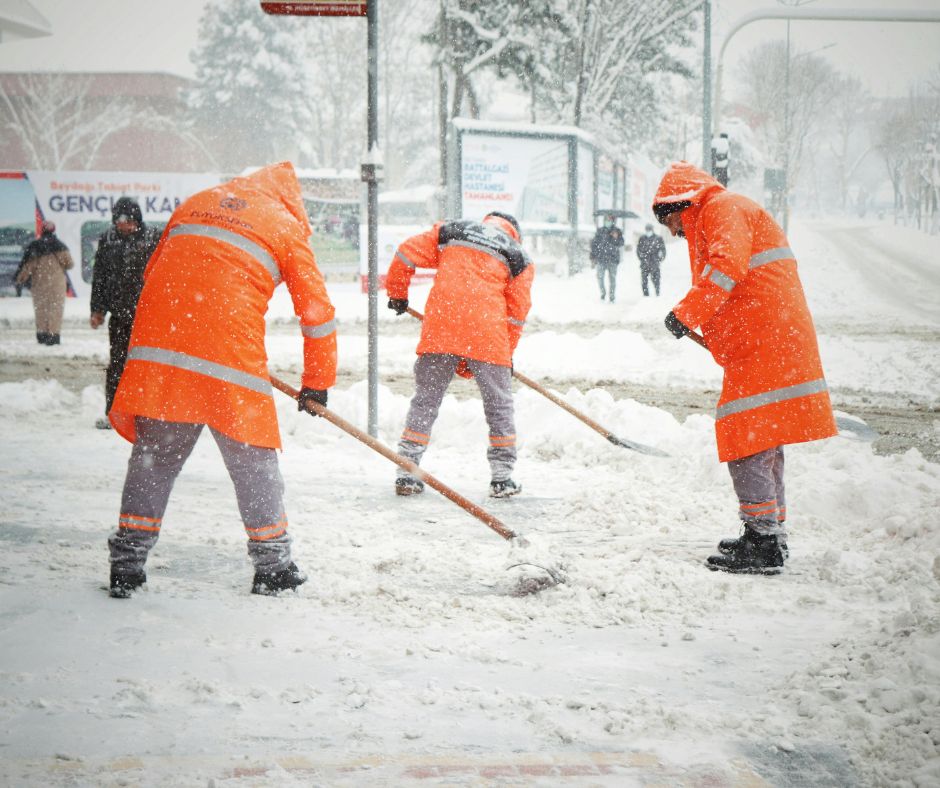
Being prepared is like having a safety net. Think about it — if a snowstorm knocks out the power, or a sudden storm floods the streets, do you know what to do? Do you have the essentials at hand? Small steps like stocking basic supplies, keeping important contacts handy, and knowing a few simple procedures can make a huge difference.
And here’s the fun part: you can actually test how prepared you are right now! Try out our 2-minute emergency preparedness quiz to see where you stand. It’s a quick, friendly way to spot gaps and get tips on what to do next — no stress, just insights.
Remember, emergency preparedness isn’t a one-time thing. It’s a habit you build over time, starting with simple steps and gradually leveling up. The goal is confidence, not fear. The more you know, the more relaxed you can be when life throws a curveball. ⚡

Most Common Emergencies in the USA
Before you start stocking supplies or making plans, it helps to know what kinds of emergencies actually happen. Don’t worry — we’re not trying to scare you. Think of this as a friendly heads-up so you’re ready when life throws a curveball. ⚡
Here are the most common emergencies U.S. households face:
- Power Outages 💡
Whether it’s a winter storm, heatwave, or grid issue, losing electricity happens a lot. It can affect heating, cooking, and even communication. Knowing how to handle a blackout is a basic skill everyone should have. - Severe Weather & Winter Storms ❄️🌪️
Snow, ice, hurricanes, tornadoes — depending on where you live, you could face different types of storms. These can disrupt travel, damage property, or even make roads dangerous. Preparing ahead saves stress and keeps your family safe. - Medical Emergencies 🏥
Accidents at home or sudden illnesses happen. Having a first aid kit and knowing basic first aid can make a big difference in the critical first minutes. - Fire Hazards 🔥
House fires, kitchen accidents, or electrical faults are common risks. Smoke detectors, fire extinguishers, and an evacuation plan are lifesavers. - Car & Travel Emergencies 🚗
Car breakdowns, getting stuck in snow, or minor accidents can happen to anyone. Keeping a basic travel safety kit in your car is a smart move.
Even though this list might seem long, don’t freak out. You don’t have to master everything at once. Start small, focus on the risks that affect your area the most, and gradually build up your preparedness.
And remember — you can check how ready you really are with our 2-minute emergency preparedness quiz. It’s a fun way to see what you already have covered and what might need attention.
Basic Supplies Every Home Should Have 🧰

Alright, now that you know the common emergencies, let’s talk about the stuff that actually makes a difference. Don’t worry — we’re not talking about turning your home into a bunker. Just the basics that keep you safe, comfortable, and stress-free.
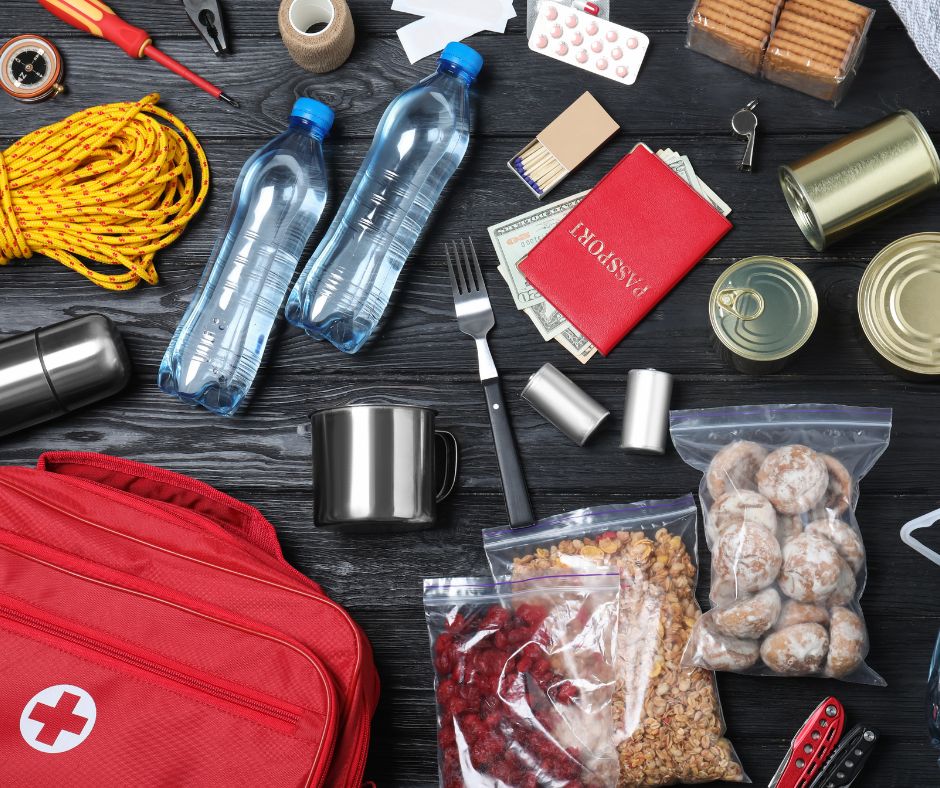
Here’s a simple starter list every household should have:
- Water & Non-Perishable Food 💧🍲
- Keep at least 3 days’ worth of water and food per person.
- Canned goods, dry snacks, and ready-to-eat meals are perfect.
- Flashlights & Batteries 🔦
- Power outages happen.
- Extra batteries and a good flashlight are lifesavers — literally.
- First Aid Kit 🩹
- Bandages, antiseptic wipes, pain relievers, and basic medications.
- Even a small kit can cover most minor injuries.
- Portable Phone Charger / Power Bank 🔋
- Phones are your lifeline in emergencies.
- Keep them charged and have backup power ready.
- Emergency Radio 📻
- Stay informed when the power is out.
- Battery-powered or hand-crank radios are great options.
- Important Documents 📄
- Keep copies of IDs, insurance info, and medical records in a waterproof bag.
- Basic Tools & Safety Gear 🛠️
- Multi-tool, gloves, fire extinguisher, and masks can come in handy.
Remember — you don’t need everything on day one. Start with the essentials and add more over time. Little steps like having water, food, and a flashlight ready can make you feel calm and in control when something unexpected happens.
Want to see if your home already has the basics? Take our 2-minute emergency preparedness quiz — it’s quick, friendly, and will show you what’s missing.
Common Beginner Mistakes ⚠️
Okay, so you’ve got the idea of emergencies and the basic supplies. But here’s the thing — even beginners can stumble. Don’t worry, we’ve all been there. Let’s go over the most common mistakes so you can avoid wasting time, money, or stress.
- Thinking “It won’t happen to me” ❌
- It’s easy to assume emergencies only happen to other people.
- Reality check: storms, power outages, and accidents can hit anywhere.
- Solution: Start small. Even a few supplies and a simple plan makes a huge difference.
- Buying Too Much, Too Soon 🛒
- You don’t need to buy everything at once or spend a fortune.
- Focus on essentials first (water, food, first aid, flashlight).
- Gradually add more items as you learn what’s actually useful.
- Not Having a Plan 🗺️
- Supplies are great, but if you don’t know how or when to use them, they won’t help much.
- Make a simple family plan: where to meet, who contacts whom, and basic steps for different emergencies.
- Ignoring Your Local Risks 🌎
- Some areas face hurricanes, others snowstorms.
- Check your local weather and hazard patterns — then prepare for the emergencies most likely in your area.
- Forgetting to Maintain Supplies ⏳
- Emergency kits aren’t “set and forget.”
- Check expiration dates, replace batteries, and rotate food and water every few months.
Remember, being prepared is a learning process. Don’t stress if you’re missing a few things. Start with small steps, correct mistakes, and build confidence over time.
And if you’re curious to see how prepared you really are, take our 2-minute emergency preparedness quiz. It’s fast, friendly, and will give you clear tips on what to improve first.
What to Do Next 🚀
So now you know the basics — common emergencies, essential supplies, and beginner mistakes. But knowledge alone isn’t enough. The real power comes from taking action, even small steps, every day.
Here’s what you can do right now:

- Take the Emergency Preparedness Quiz 📝
- Find out how ready your home really is.
- It only takes 2 minutes, and you’ll get friendly tips on what to improve.
- Take the quiz now — it’s fun, easy, and super helpful!
- Start Building Your Basic Kit 🧰
- Water, food, flashlight, first aid kit — start with these essentials.
- Add more over time as you learn what works for your household.
- Make a Simple Family Plan 🗺️
- Decide where to meet, who contacts whom, and key steps for different emergencies.
- Share the plan with everyone in your home so no one panics if something happens.
- Check FEMA’s Family Emergency Plan guide for easy templates and tips.
- Stay Informed About Local Alerts 📡
- Sign up for local emergency alerts on your phone or email.
- Knowing what’s coming keeps you calm and ready.
- Learn more at Ready.gov Alerts.
- Keep Learning & Practicing 📚
- Emergency preparedness isn’t a one-time thing.
- Update your kits, review your plan, and keep testing yourself — confidence comes from small, consistent steps.
- For official guidance, visit American Red Cross Disaster Preparedness.
Remember: the goal isn’t fear — it’s confidence, calm, and control. Take a little action today, and you’ll thank yourself if life throws a curveball tomorrow. ⚡


0 Comments