

Introduction: Small Habits, Bigger Risks Than You Think
When we think about safety, we usually imagine big, dramatic situations — natural disasters, serious accidents, or extreme emergencies. In reality, most safety problems come from much smaller, everyday habits we don’t even think about.
It’s the little things we get used to: stepping over a loose rug, balancing on a chair “just for a second,” clicking a link without checking twice. None of these feel dangerous in the moment, which is exactly why they catch people off guard.
Being safety-aware doesn’t mean living in fear or wrapping everything in bubble wrap. It simply means noticing small risks before they turn into real problems. A few simple changes in daily routines can prevent a lot of unnecessary stress, injuries, and “I should’ve known better” moments.
In this article, we’ll walk through 10 everyday safety mistakes many people make without realizing it — using real-life examples, common sense, and practical tips that actually fit normal life.
Let’s start with one of the most common places accidents happen: your home.
1. Ignoring Small Hazards at Home Because “It’s Always Been Fine”

Most everyday accidents don’t happen during dramatic emergencies. They happen at home — in places we feel completely comfortable. That sense of familiarity is exactly why small safety hazards often get ignored.
Loose rugs, slightly broken steps, exposed cables, or doors that don’t lock properly don’t feel urgent. They’ve “always been fine,” so fixing them keeps getting postponed. The problem is that safety issues don’t announce themselves in advance — they wait for the wrong moment.
A very common example is a rug with a curled corner. You trip on it once, catch yourself the second time, and eventually start stepping over it without thinking. At that point, it’s no longer just a rug — it’s a known household hazard that your brain has learned to work around.
Poor lighting is another classic issue. A dim hallway or staircase might seem harmless during the day, but it becomes risky when you’re tired, distracted, or carrying something heavy. According to general home safety research, improving lighting is one of the simplest ways to reduce accidents inside the house.
Small risks like these are especially dangerous for children, elderly family members, and visitors who don’t know where the “problem spots” are. What feels normal to you can be a surprise to someone else.
Doing simple home safety checks once or twice a year can make a big difference. Securing rugs, fixing loose steps, improving lighting, and checking door locks are quick tasks that reduce risk without turning your home into a fortress.
For broader guidance on preventing everyday injuries, resources like the
👉 National Safety Council’s home safety tips
offer practical, non-alarmist advice that applies to most households.
2. Using the Wrong Tool for the Job (Yes, a Chair Is Not a Ladder)
One of the most common everyday safety mistakes is improvising tools — usually because the right one feels inconvenient in the moment. The task seems small, quick, and harmless, so grabbing “whatever is nearby” feels like a reasonable shortcut.
Standing on a chair to change a light bulb, using a knife instead of scissors, or balancing on stacked objects are classic examples. They work… until they don’t. Most people don’t get hurt the first time, which creates a false sense of confidence.
The phrase “just for one second” is often the warning sign. That second turns into shifting your weight, losing balance, or reacting too late. According to general injury prevention guidelines, falls caused by unstable surfaces are among the most common causes of avoidable household injuries.
A slightly silly but very real scenario: you stand on a chair, stretch a little too far, the chair wobbles, and suddenly your brain switches from “this is fine” to “this was a terrible idea” in half a second.
Using the correct tool — like a stable ladder instead of a chair — isn’t about being overly cautious. It’s about reducing unnecessary risk in situations that don’t need to be risky at all.
Developing safe daily habits starts with slowing down and asking a simple question: Is this the right tool for the job, or just the closest one? That small pause can prevent injuries that take weeks to recover from.
For practical guidance on preventing common household injuries, resources like
👉 CDC home and recreational safety information
offer clear, everyday advice without being alarmist.
3. Assuming Familiar Places Are Automatically Safe
There’s a strange way familiarity tricks our brain. The more often we use a place, the less attention we pay to it. That’s why many everyday accidents happen in locations people know best — their own homes, daily walking routes, or regular parking spots.
When a place feels familiar, we stop actively noticing it. Stairs become background noise. Hallways fade into muscle memory. We walk, turn, and move without really looking. This lack of awareness is what turns normal spaces into unexpected risk zones.
A simple example: the stairs you’ve walked up and down thousands of times. You know exactly how many steps there are, so you don’t look at them anymore. One small change — a wet surface, worn edge, or poor lighting — is enough to cause a fall because your brain wasn’t paying attention.
The same applies outside the home. Familiar routes, parking garages, or local sidewalks often feel safer than unfamiliar places, but most trips, slips, and minor injuries happen close to home — not during extreme situations.
Building everyday safety awareness isn’t about being paranoid. It’s about staying mentally present, especially in places you think you know well. A brief moment of attention can prevent weeks of discomfort or injury.
For general insight into why awareness matters in injury prevention, you can reference guidance from
👉 National Institute for Occupational Safety and Health (NIOSH)
which emphasizes situational awareness as a key factor in reducing preventable injuries.
4. Not Having a Basic Emergency Plan (Because “It Won’t Happen”)
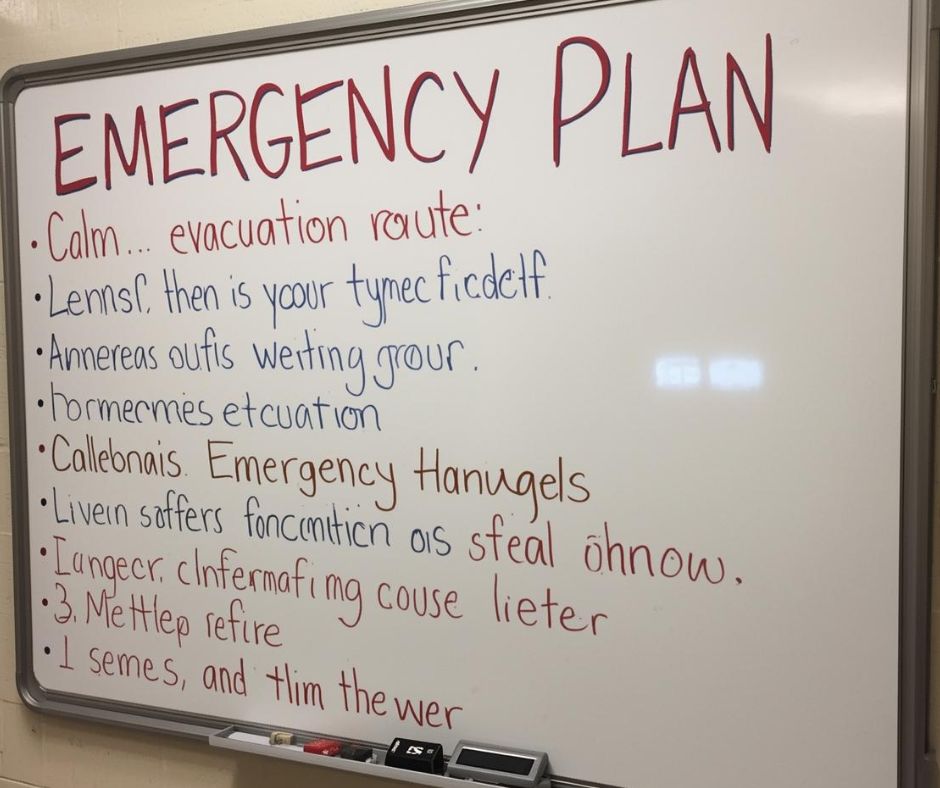
Most people don’t avoid emergency planning because they’re careless — they avoid it because it feels unnecessary. Serious emergencies seem rare, uncomfortable to think about, or like something that happens to “other people.”
The problem isn’t the lack of advanced gear or complicated plans. It’s the absence of even a basic emergency plan. Simple questions often go unanswered:
Who do you contact first?
Where do you go if you can’t stay home?
What do you do if power or internet access is gone?
Without a plan, people rely on panic and guesswork. In stressful situations, even simple decisions become harder. That’s why preparedness isn’t about fear — it’s about reducing confusion when time and clarity matter most.
A very real (and slightly silly) example: everyone agrees to “meet outside” during an emergency, but no one agrees where. Front door? Backyard? Neighbor’s house? Suddenly, a simple plan turns into chaos.
Having a plan doesn’t mean expecting the worst. It means accepting that unexpected things happen and deciding in advance how to respond calmly. Even a short conversation with family members or housemates can significantly improve personal emergency preparedness.
Government safety agencies emphasize that planning ahead is one of the most effective ways to reduce harm during emergencies. Resources like
👉 Ready.gov’s emergency planning guide
offer simple, step-by-step advice that applies to individuals, families, and households without being overwhelming.
5. Forgetting About Digital Safety in Everyday Life
When people think about safety, digital risks are often the last thing on their minds. There’s no loud noise, no visible danger, and no immediate warning signs. Because of that, online safety mistakes feel less serious — until they aren’t.
Using weak passwords, connecting to public Wi-Fi without thinking, or clicking links out of curiosity are common habits. Individually, they don’t feel risky. Together, they create openings for problems that are hard to fix once they start.
A familiar example: you receive a message marked “urgent” or “account problem,” and even though something feels slightly off, curiosity wins. It only takes one careless click to compromise personal information or lock you out of your own accounts.
Practicing digital safety basics doesn’t require technical knowledge. Simple habits like using unique passwords, keeping devices updated, and being cautious with unexpected messages go a long way in protecting personal data.
Online safety organizations consistently stress that awareness matters more than advanced tools. Guidance from sources like
👉 FTC consumer advice on online security
focuses on practical, everyday actions rather than fear-based warnings.
6. Carrying Important Items Without a Backup
Modern life makes it easy to rely on a single device or item for everything. One phone holds your contacts, maps, tickets, payment apps, and emergency information. As long as it works, everything feels under control.
The problem starts when that one thing fails. A dead battery, lost phone, or weak signal can quickly turn a minor inconvenience into a stressful situation. Most people don’t realize how dependent they are until they suddenly can’t access what they need.
A very relatable example: your phone battery hits 1% right when you’re trying to find directions or contact someone. Suddenly, a normal day feels much less manageable.
Having a backup doesn’t mean carrying extra gear everywhere. Simple steps like saving emergency contacts offline, carrying a small power bank, or keeping a bit of cash can significantly improve everyday preparedness.
This is especially important when traveling or spending time away from home. Many travel safety tips focus on having redundancy — not because things will go wrong, but because sometimes they do.
Preparedness resources such as
👉 Ready.gov’s emergency supply checklist
highlight backups as a basic part of staying prepared without overcomplicating daily life.
7. Overconfidence in Physical Abilit

Many everyday accidents happen not because people are careless, but because they overestimate what they can handle. We assume our strength, balance, or reflexes are enough — until something unexpected proves otherwise.
Common examples include lifting heavy objects alone, rushing up or down stairs, or attempting tasks “I’ve done a hundred times.” Each small misjudgment might seem harmless at the moment, but it’s often the precursor to a strain, sprain, or more serious injury.
A slightly funny but relatable scenario: you try to carry three shopping bags in one trip, balancing precariously while opening the door. You feel like a superhero — until gravity reminds you otherwise.
Being aware of your limits isn’t about fear; it’s about practicing personal safety awareness. Take small precautions: ask for help with heavy lifting, move slower on slippery surfaces, and don’t ignore fatigue. Your body will thank you, and accidents will be far less likely.
For practical tips on preventing common injuries at home or on the go, authoritative sources like
👉 Mayo Clinic’s injury prevention tips
offer straightforward advice that’s easy to implement in daily life.
8. Ignoring Weather and Environmental Warnings

It’s easy to underestimate the weather — a light drizzle, a small storm, or a “slightly icy” sidewalk often feels harmless. Most people assume it won’t affect them, and that’s exactly when small accidents happen.
Everyday risks aren’t always about dramatic weather events. Slippery floors from rain, icy steps in the morning, or unexpectedly hot days can all create situations that lead to injury if ignored. Even familiar outdoor routes can become hazardous when environmental changes are overlooked.
A relatable example: you think, “It’s just a little rain,” and walk across the parking lot in flip-flops or smooth-soled shoes. A split second later, you’re slipping, twisting an ankle, and wondering how something so ordinary went wrong.
Staying aware of environmental risks isn’t about fear — it’s about proactive habits. Check local weather forecasts, dress appropriately, and pay attention to surfaces and surroundings. These small adjustments dramatically reduce everyday accidents.
Authoritative sources like
👉 National Weather Service safety tips
offer practical guidance for staying safe during common weather situations without being alarmist.
9. Not Teaching Basic Safety to Family Members
Safety isn’t just about knowing what to do yourself — it’s also about sharing that knowledge with the people around you. Kids, elderly family members, or even roommates may not instinctively know what to do in common emergencies. Assuming they already know can be a big mistake.
Many accidents happen because someone unfamiliar with the space or routine makes a small error. What seems obvious to you — the location of the fire extinguisher, how to shut off the water, or which stairs are tricky — might not be obvious to others.
A relatable example: you’ve walked past a slippery patch a hundred times, but a visiting friend doesn’t see it. One misstep, and suddenly everyone is helping a sprained ankle instead of enjoying coffee.
Teaching basic safety doesn’t need to be overwhelming. Simple conversations, short drills, or shared checklists can make a huge difference in reducing risks at home, during travel, or even while running everyday errands.
Helpful guidance for families can be found at
👉 Safe Kids Worldwide – Family Safety Tips
which provides practical, easy-to-follow advice for children and adults alike.
10. Waiting Until Something Goes Wrong to Care About Safety
Many people ignore safety until an accident or emergency actually happens. It’s a natural human tendency — we think, “It won’t happen to me” — until reality proves otherwise. The problem is that by waiting, we often make small problems much bigger.
Proactive safety habits don’t require overhauling your life. Even simple steps like keeping first aid supplies handy, checking smoke detectors, or reviewing emergency contacts regularly can prevent a lot of stress and injury later on.
A relatable example: your power goes out unexpectedly, and you realize you don’t have flashlights, batteries, or a simple backup plan. Suddenly, a minor inconvenience becomes a scramble — all because preparation wasn’t a priority.
Safety isn’t about fear or paranoia. It’s about awareness and readiness. Small, consistent actions today save time, money, and peace of mind tomorrow.
For guidance on building proactive safety habits, check out
👉 Red Cross – Be Ready: Prepare for Emergencies
which offers simple, actionable advice for individuals and families.
Conclusion: Safety Isn’t About Fear — It’s About Awareness
Everyday safety isn’t about living in fear or wrapping yourself in bubble wrap. It’s about noticing the small risks around you, taking simple precautions, and creating habits that make life easier and safer.
From loose rugs and poor lighting to digital risks and overconfidence in your physical abilities, the mistakes we covered are all common — but completely preventable. The best part? Small changes today can save big headaches tomorrow.
Being prepared doesn’t mean doing everything at once. Start with one area, like home safety or digital habits, and gradually expand your awareness. Over time, these small improvements add up to a life that’s both smarter and safer.
If you want to see how prepared you really are, take our quick safety quiz and discover which everyday habits could use a little attention. It’s fun, practical, and tailored to help you live smarter and safer.


0 Comments